
Get consultancy, calculations, noise mapping, auralisation, and accredited measurements and predictions for traffic noise from roads, railways, aircraft, ships, and ports.

Traffic noise consultancy services are relevant for infrastructure owners, developers, consultants, airports, rail operators, and port organisations that need to assess and document noise from roads, railways, lightrails, tramways, metro systems, aircrafts, ships and ferries. The service is typically used in connection with new infrastructure, rebuilding projects, environmental assessments, EIAs, environmental approval, or when housing and other noise-sensitive land use is planned close to traffic infrastructure. 


Lack of documented basis delays assessment and communication 

Without a documented basis, it is difficult to evaluate noise impact, compare mitigation measures, and communicate results to authorities and project organisations. The service is part of our catalogue of acoustic services. It includes accredited measurements, calculations, noise mapping, and consultancy across multiple traffic noise sources. For road noise, the results can also be communicated through auralisations in audio files that reproduce how the noise is expected to sound after planned changes. 

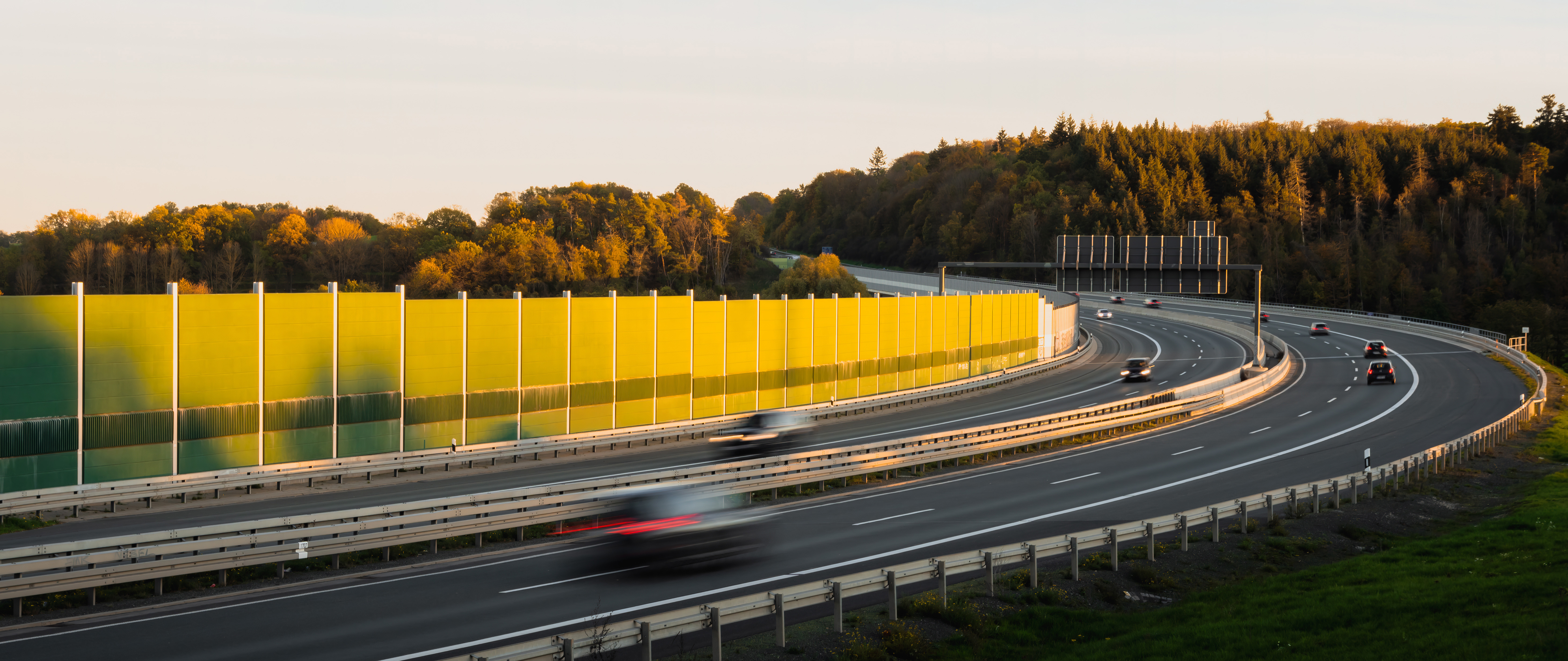
Traffic noise consultancy measuring road noise along a busy highway with surrounding buildings and infrastructure
Traffic noise from roads and infrastructure is assessed and documented to support planning, environmental evaluation and mitigation decisions

Challenges

When traffic infrastructure can affect surrounding areas with noise, projects and progress is delayed, when noise consequences are unclear and mitigation choices can be doubted or even invalid.

Unclear noise impact delays project decisions 

When traffic noise is not documented early, project teams lack a reliable basis for environmental assessment, design choices, and dialogue with authorities and stakeholders. 


Mitigation options become difficult to compare 

If the effects of barriers, earthworks, facade measures, surface changes, rail grinding, or traffic regulation are not calculated or measured, it is hard to choose the most relevant noise-reduction approach. 


Noise-sensitive development lacks documentation 

Where housing or other noise-sensitive use is planned close to roads, railways, airports, or ports, missing documentation can delay assessments of whether the location and design are appropriate. 


Complex traffic environments require special expertise 

Noise from rail systems, aircraft, ships, ferries, and port areas involves different conditions for calculation, propagation, and regulation, which makes generic assessments insufficient.

Benefits

Get documented traffic noise results for assessment, documentation, and mitigation choices.

Support environmental assessment and approval

Traffic noise mapping and documentation support environmental assessments, EIAs, and environmental approval where noise consequences must be described clearly for roads, railways, airports, and ports.