
Review applicable directives, including LVD, MDR, MD, MR, RED or GPSR, to determine electrical safety requirements and define the documentation needed for CE marking or access to markets outside the EU. The assessment establishes the basis for preparing the Declaration of Conformity and structuring the technical file. This includes clarifying documentation obligations, such as maintaining the technical file for inspection by authorities.
Electronic product compliance
Electrical safety testing
Gain market access by consolidating electrical safety testing and other approval services in one place.
Electrical safety approval supports manufacturers and importers of electronic products in documenting compliance with applicable electrical safety requirements prior to market introduction. The need typically arises when new products are prepared for approval, or when design changes affect safety-related functions. Without verified approval with relevant regulations, organisations will find themselves being in non-compliance.
Regulatory framework and certification basis
Electrical safety approval is determined by applicable directives such as the Low Voltage Directive (LVD), the electrical safety requirements in the Medical Device Regulation (MDR), the Machinery Directive (MD) the Machinery Regulation (MR), the Radio Equipment Directive (RED) or other relevant frameworks. Where products are not covered by specific directives or regulations, the General Product Safety Regulation (GPSR) applies as a baseline. As a CB Testing Laboratory (CBTL) and National Certification Body (NCB), we provide accredited electrical safety and EMC test reports within a one-stop process.
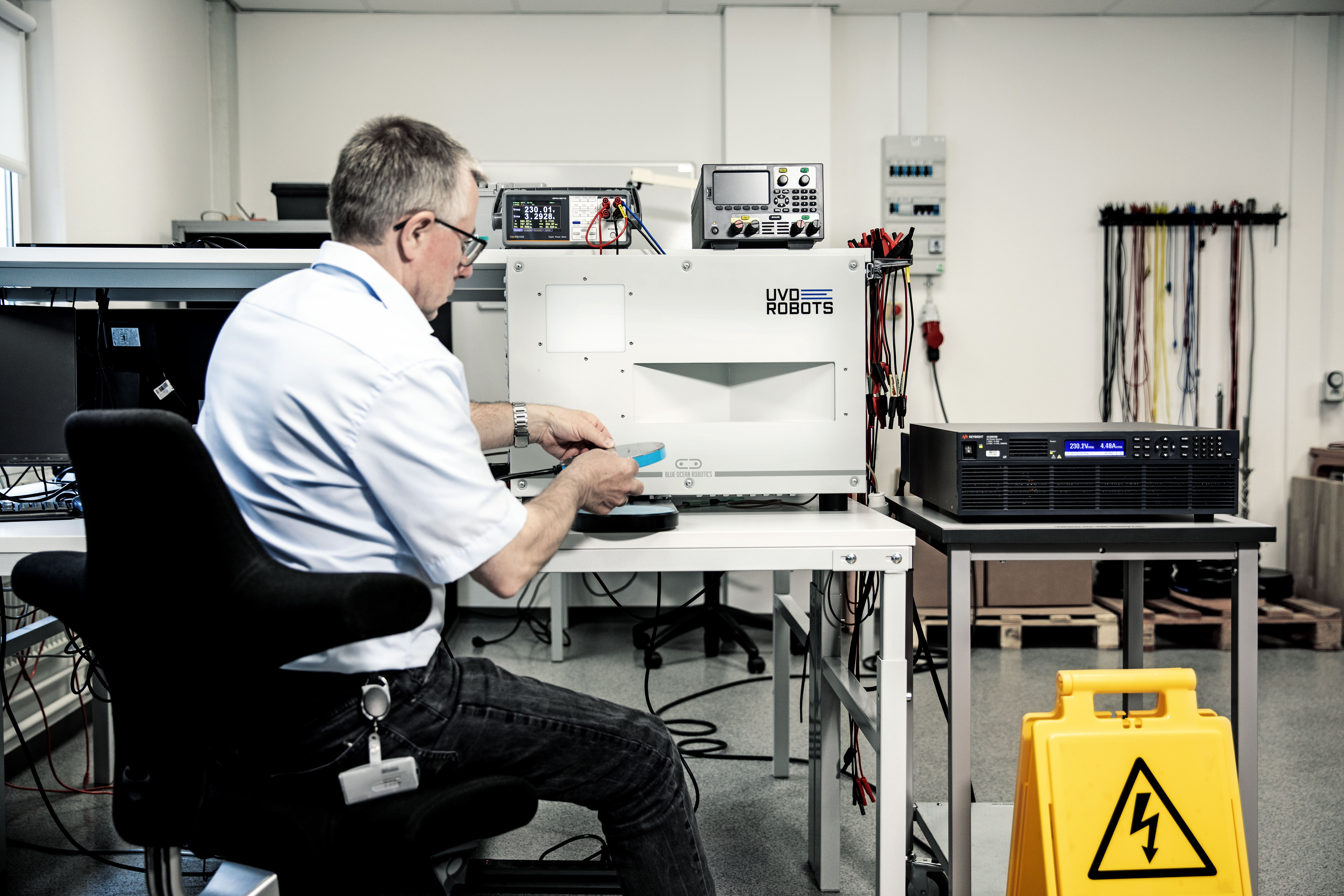
Challenges
When manufacturers lack electrical safety expertise, recognised documentation and clear test routes, approval and market access are delayed.
Lack of in-house expertise delays clarification
Without clear understanding of applicable requirements and standards, test planning and documentation become uncertain, slowing down decisions and progress.
No accredited test reports weaken documentation acceptance
Without access to accredited testing, documentation may be less widely accepted, leading to retesting and delays.
Global requirements and market-specific approvals create complexity
In many markets, IECEE CB-certified test reports are expected in practice, and routes such as US and Canada safety marking cannot typically be handled in-house.
Fragmented testing across multiple providers increases complexity
Handling testing and reporting across multiple providers creates coordination challenges and makes maintaining consistent documentation more difficult.
Benefits
