Enables repair, surface enhancement and of metal components to extend service life and support resource savings.

Remanufacturing and surface treatment of metal parts supports organisations in need of repair of worn or damaged components, rebuilds local areas or adds new surface properties to new or existing parts. The need often arises when surfaces are worn, damaged or faulty machined, but also when a component must withstand corrosion, wear or heat more effectively. If these requirements are not addressed, organisations can face downtime or loss of usable parts. 


Flexible execution 


The service combines remanufacturing with thermal spraying, metallisation and related surface technologies so metal surfaces can be restored, rebuilt or modified according to the task. Where relevant, the work can also support documentation of CO₂-emissions, energy and material savings compared with producing a new component. It's part of several additive manufacturing services.

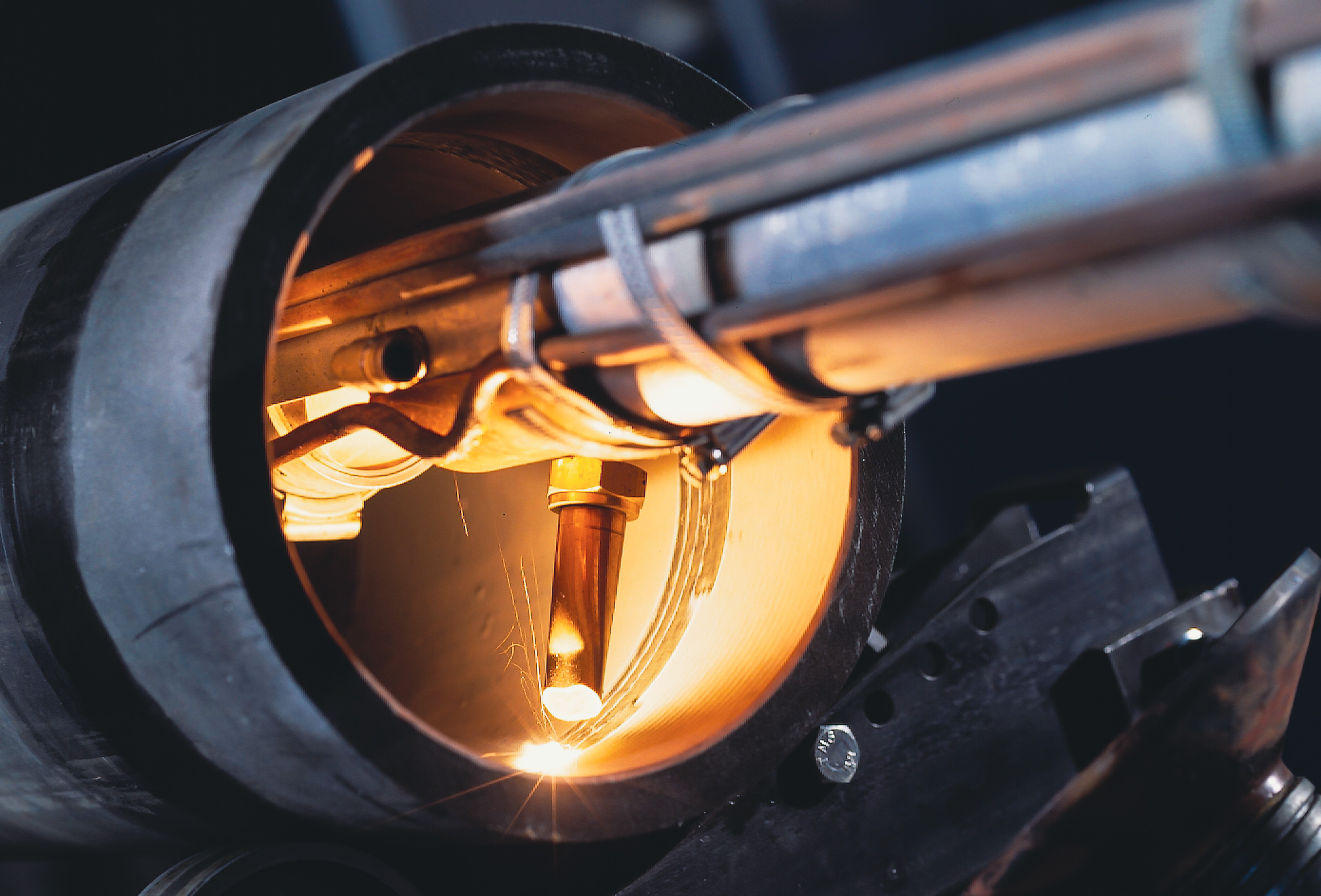
Close-up of laser cladding equipment applying material inside a cylindrical metal component.
Laser cladding inside a metal component supports remanufacturing and surface restoration of worn areas.

Challenges

When parts are worn, underperforming or difficult to treat with conventional methods, downtime and unnecessary replacement risks can increase.

Wear and damage increase downtime 

Worn or damaged metal surfaces can reduce asset availability and create unplanned stops. If repair is not assessed in time, organisations may default to replacement with longer lead times and higher overall cost. 

Inadequate surface properties  

Components exposed to wear, corrosion or heat may not perform as required if the surface is not matched to the operating conditions. Without a relevant surface solution and service life, reliability can be reduced. 

Large or fixed components are difficult to handle  

Some components are too large, installed in place or impractical to move for conventional treatment. It makes planning and executing repairs or surface modifications more difficult. 

Missing documentation for green accounting 

When savings from repair or remanufacturing are not documented, it becomes harder to document reductions in CO₂, energy and material use. This weakens the basis for internal follow-up and for green accounting based on concrete calculations. 
Benefits

Get components with surface properties supporting continued operation and documentation.

Return damaged parts to service

Keep repaired components in operation and, where relevant, return them directly into production. This can reduce downtime, lead time for replacements and the need to source new parts. 

Add surface properties matched to the task

Improve component performance and service life by tailoring surface properties to operating conditions. This can support better resistance to wear, corrosion and heat where required by the component.

Document environmental savings

Use documented savings in CO₂, energy and materials as input for green accounting and internal follow-up. This can strengthen the basis for reporting savings achieved through repair or remanufacturing.