
Get an assessment of operation and regulation in heating, ventilation and domestic hot water systems. This covers flow conditions, temperature control, balancing and pump operation, where incorrect setup or control can lead to unstable operation, indoor climate issues and unnecessary energy use.
Buildings and infrastructure
Operation and energy optimisation of energy systems
Get a clear basis for understanding energy systems operation and identifying technical causes of indoor climate issues and high energy use in buildings.
Energy systems in buildings do not always operate as intended. Changes in use, system setup or control can lead to unstable operation, indoor climate issues and increased energy use without a clear cause. This affects building owners, technical managers and operations teams who depend on stable function and a well-performing indoor climate. When heating, ventilation, domestic hot water and control systems such as CTS and BMS do not perform as expected, problems persist and decisions about problem-solving become uncertain.
From operational issues to optimisation basis
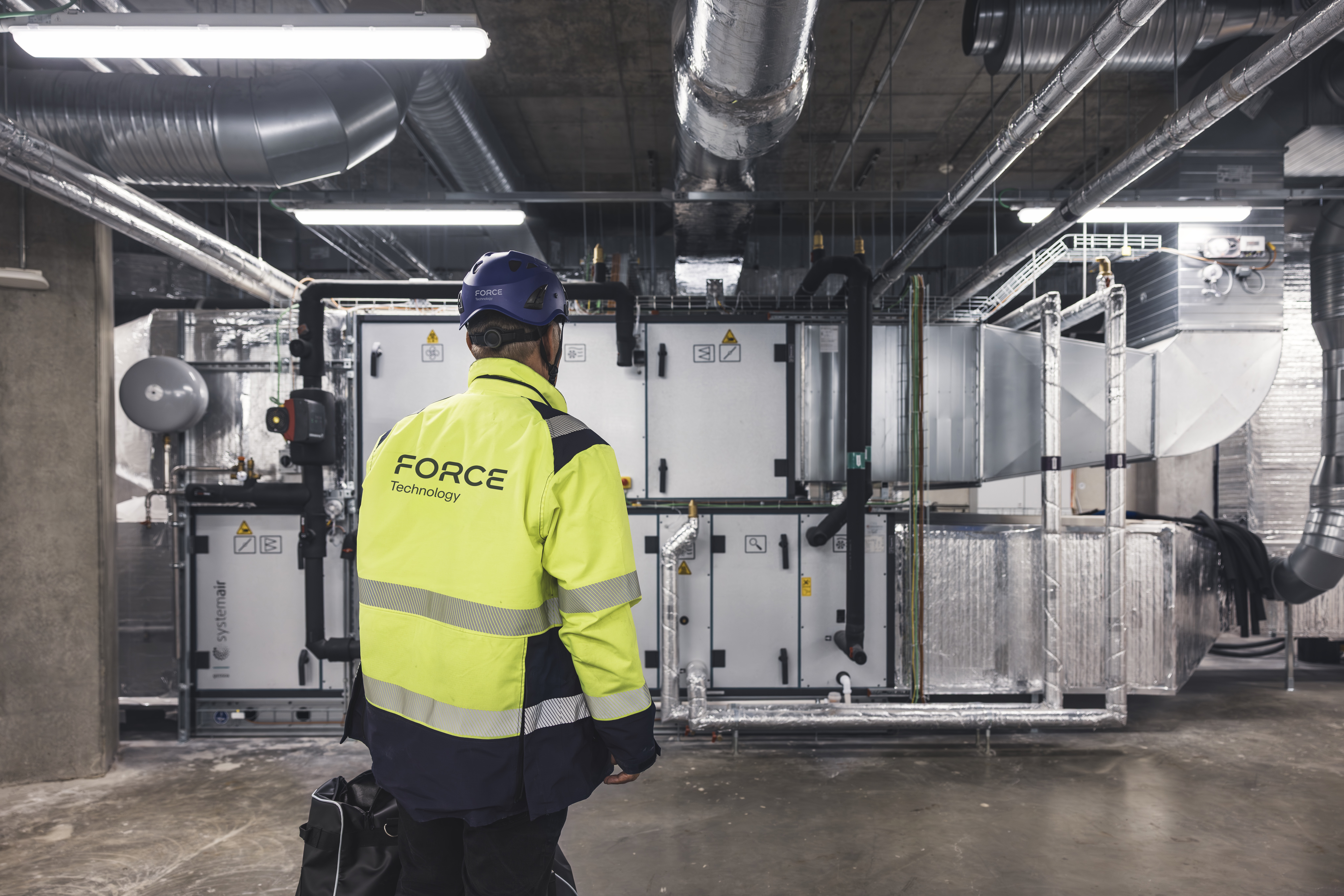
We offer to analyse building installations and systems to identify the technical causes of unstable operation, indoor climate issues and high energy consumption. This provides a basis for prioritising maintenance, adjustments and energy optimisation, as well as preparing project proposals, budgets and estimates of costs and payback time. The service is part of our expertise area Buildings and infrastructure.
Challenges
When energy systems operate outside actual conditions, indoor climate, performance, and energy use become difficult to manage.
Changed use leads to unclear performance issues
Installations may continue to operate based on original design assumptions even though building use, load or operating conditions have changed. This can result in indoor climate issues or increased energy use without a clear technical explanation, making it difficult to prioritise corrective actions.
Unstable control and regulation affect operation
Incorrect settings or faults in control systems such as CTS and BMS can lead to unstable operation, poor indoor climate and unnecessary energy use. Issues with flow, temperature control or system balance can further reduce performance and create recurring operational problems.
System interaction hides root causes
Heating, ventilation, domestic hot water and control systems influence each other. When systems are assessed separately, the underlying technical causes of indoor climate issues or high energy use may remain unclear, and actions may not resolve the actual problem.
Mismatch between installations and demand
Technical solutions or existing installations may not fit current building conditions or operating requirements. This can reduce efficiency, affect indoor climate and lead to higher operating costs than expected.
Benefits
Get a clearer basis for prioritising plant changes, energy improvements and related investments.
Plan maintenance and operational adjustments
Assessment of operation, condition and control provides a structured basis for planning maintenance and adjustments. This supports more stable operation and reduces the risk of recurring issues.
Coordinate actions across systems
Understanding how systems interact makes it easier to coordinate actions across heating, ventilation and control systems. This reduces the risk of measures that counteract each other.
Support decisions on changes and investments
Documented findings and estimates provide a basis for deciding whether installations should be adjusted, maintained or replaced, and how changes should be prioritised over time.
