
Verification under MID Annex MI-001 (water meters) and MI-004 (heat meters) with reference to OIML R49 and EN 1434. Typical ranges: 1 litre to 1,200 m³/h.
Calibration and verification
Accredited verification of measuring instruments
Accredited verification confirms that meters used for billing and trade comply with legal metrology requirements.
Verification confirms that meters, scales, and weights comply with legal tolerances, allowing them to be used for transactions. The process includes documented control, sealing and verification documentation confirming that legal tolerances are met. Re-verification is required if seals are broken, designs change, or tolerances are exceeded. Instruments covered include water, heat, gas, and flow meters, as well as meters for fuel, oil, wine, and beer, plus scales and weights.
DANAK accreditation
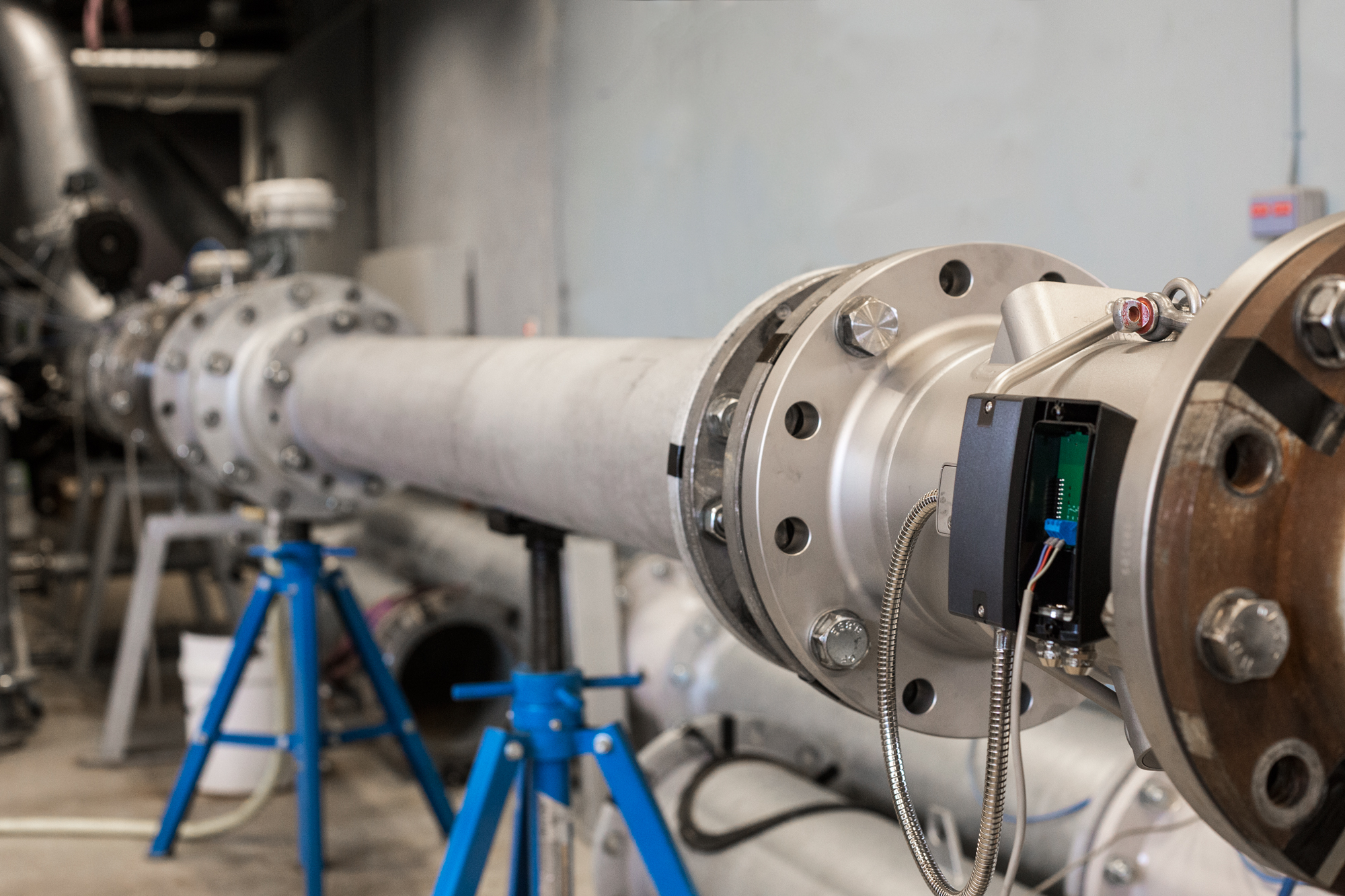
Verification can be carried out either in the laboratory or on-site. Testing and verification activities are performed under DANAK accreditation (ISO/IEC 17025). MID conformity assessment is carried out independently by FORCE Certification as Notified Body No. 0200.
For businesses using meters in billing and trade
When meters are used for billing between supplier and customer, verification is a legal requirement. It safeguards compliance, ensures that settlements are correct, and provides reliable measurement data. Accredited verification is typically required by utilities, energy suppliers and companies using meters for billing or trade. The service is part of our expertise area Calibration and verification.
Challenges
Inaccuracies or missing verification can lead to disputes and audit challenges.
Inaccurate billing leading to disputes and loss
If meters operate outside legal tolerances, settlements between supplier and customer may be incorrect. This can lead to financial losses, customer complaints, contract disputes and reputational damage.
Non-compliance with MID and national regulations
Using instruments that are not verified under the Measuring Instruments Directive or national metrology rules can result in enforcement actions, fines or orders to stop using the equipment for trade.
Broken seals or design changes invalidate approval
When seals are broken, components are replaced or configurations are altered, previous verification becomes void. Continued use without re-verification exposes the organisation to compliance breaches.
Lack of traceable documentation for audits
Without accredited certificates and documented results, organisations cannot demonstrate measurement validity during audits or regulatory inspections, which can create delays and operational uncertainty.
Ask us about verification
Schedule a verification or get advice on requirements for your meters and measuring equipment.
Standards
