Detect flaws early in wind turbine blades across production and in-service stages

Wind turbine blade inspection supports manufacturers in assessing structural integrity during production, workshop activities and in-service operation. The need arises when bonding quality, internal defects or repairs must be evaluated before affecting performance or reliability. As blade sizes grow and conditions vary, undetected flaws can lead to rework, delays and operational uncertainty.

Automated inspection across the blade lifecycle

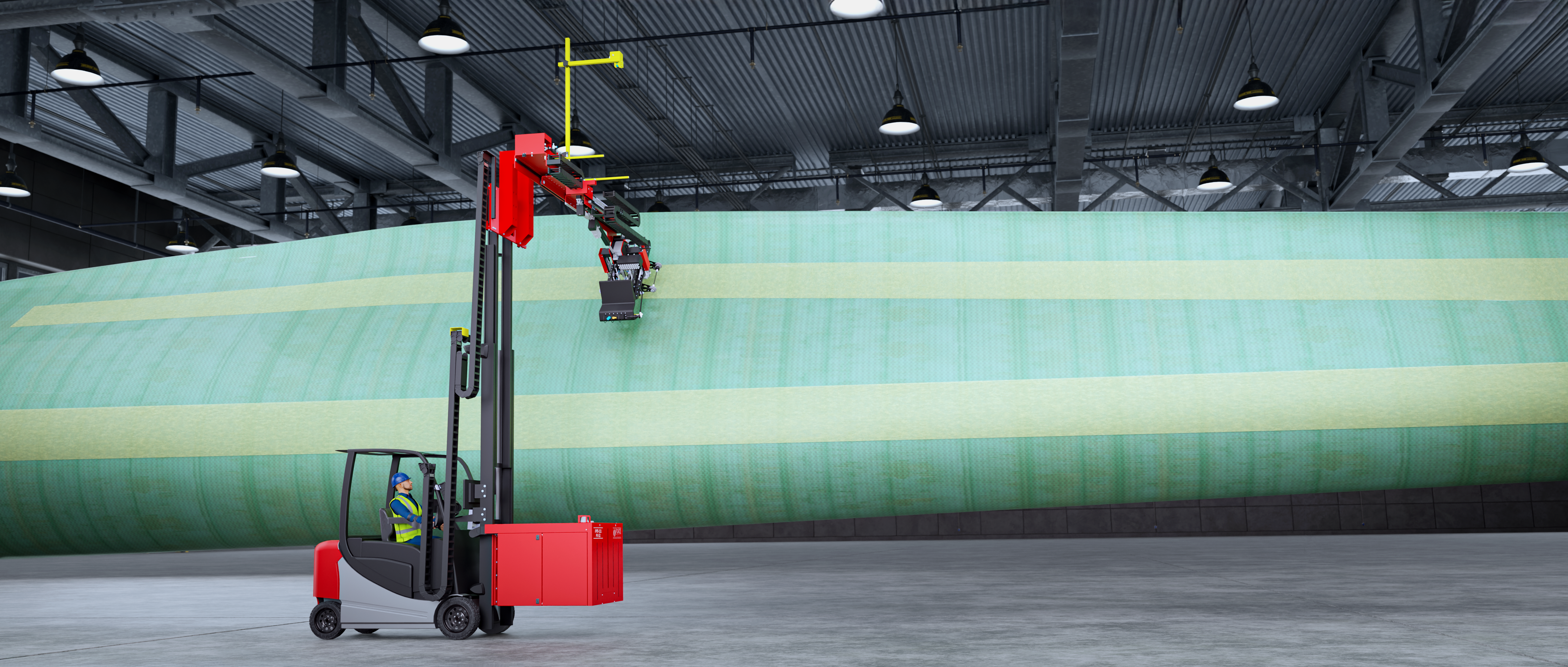
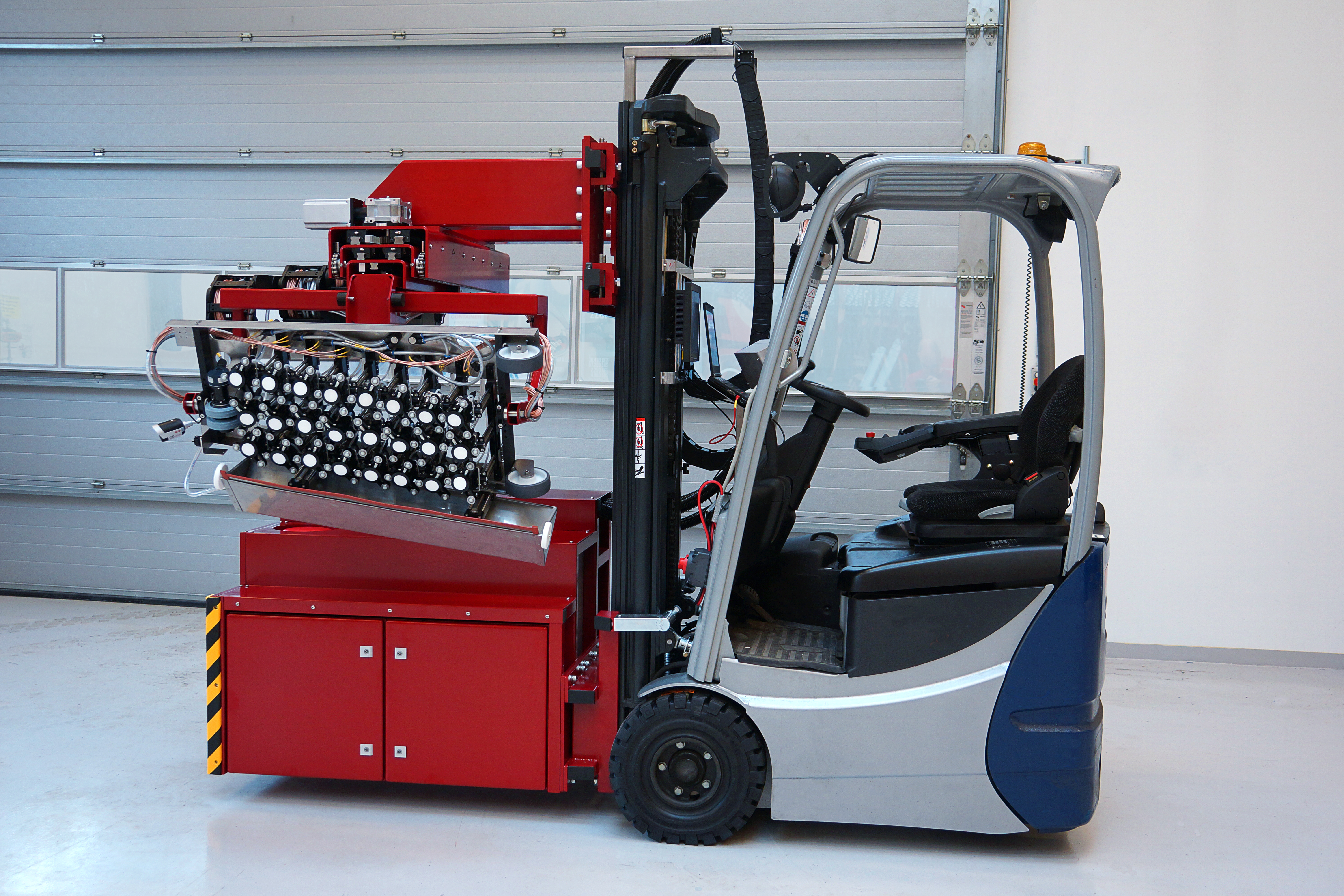
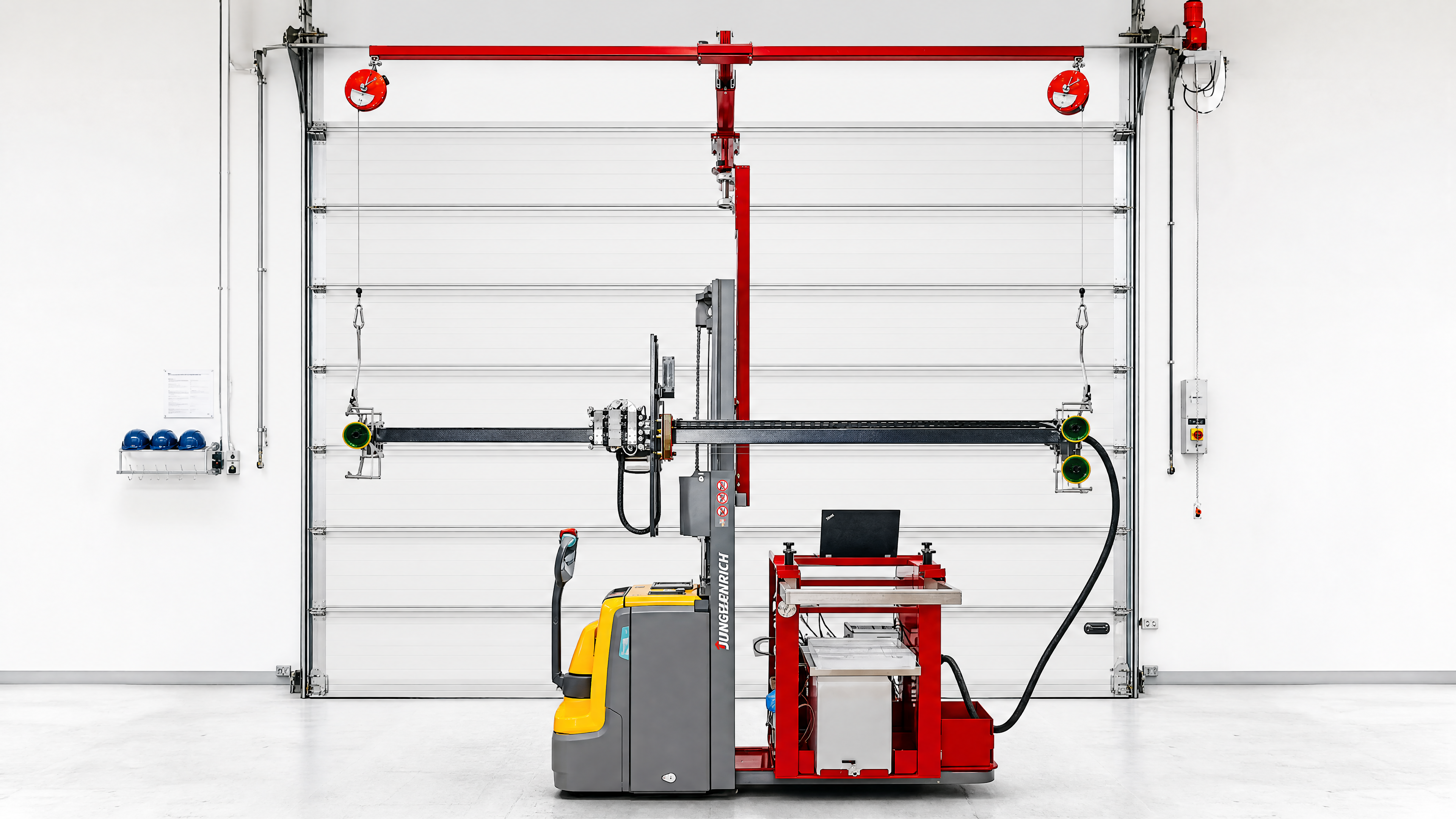
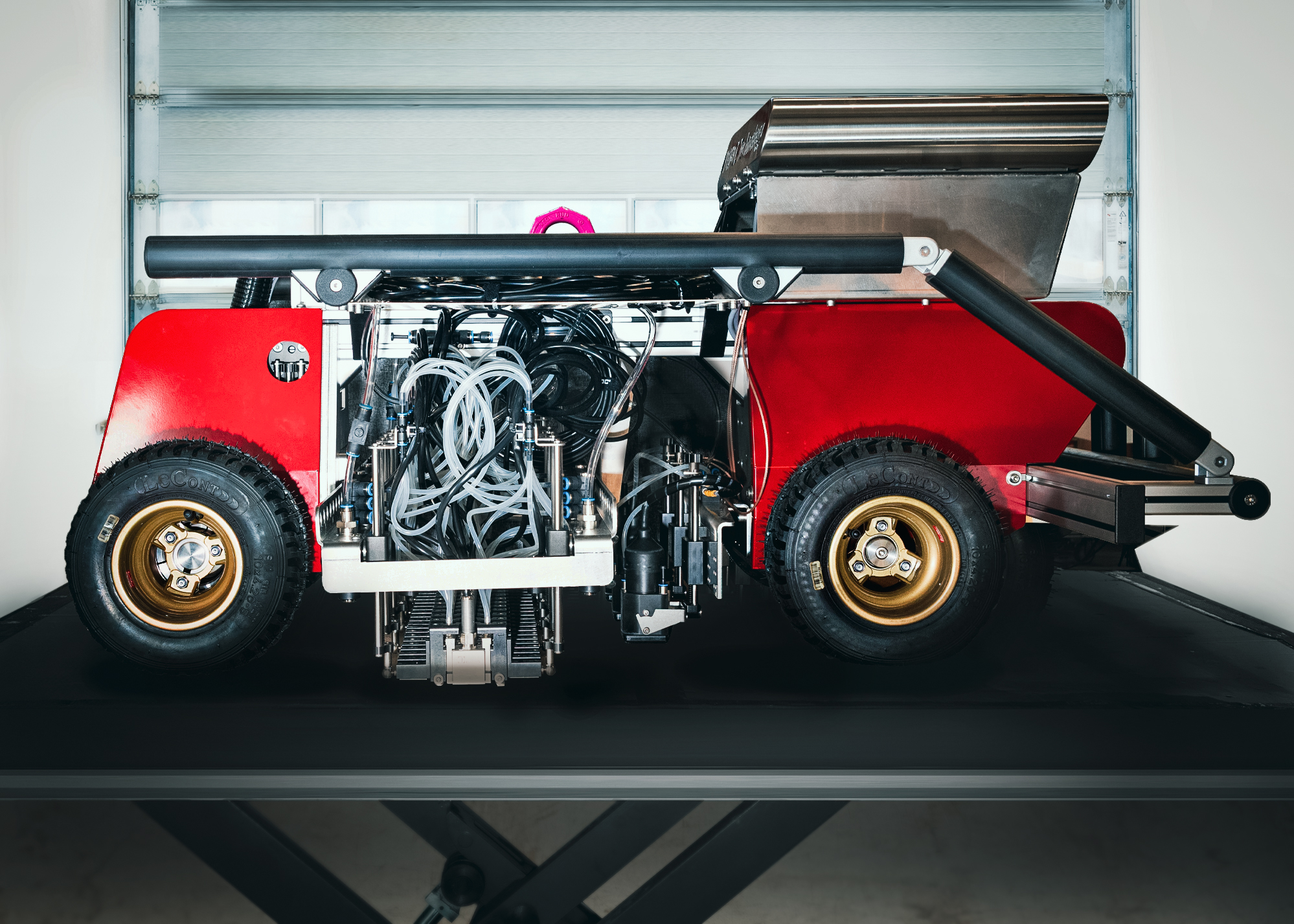
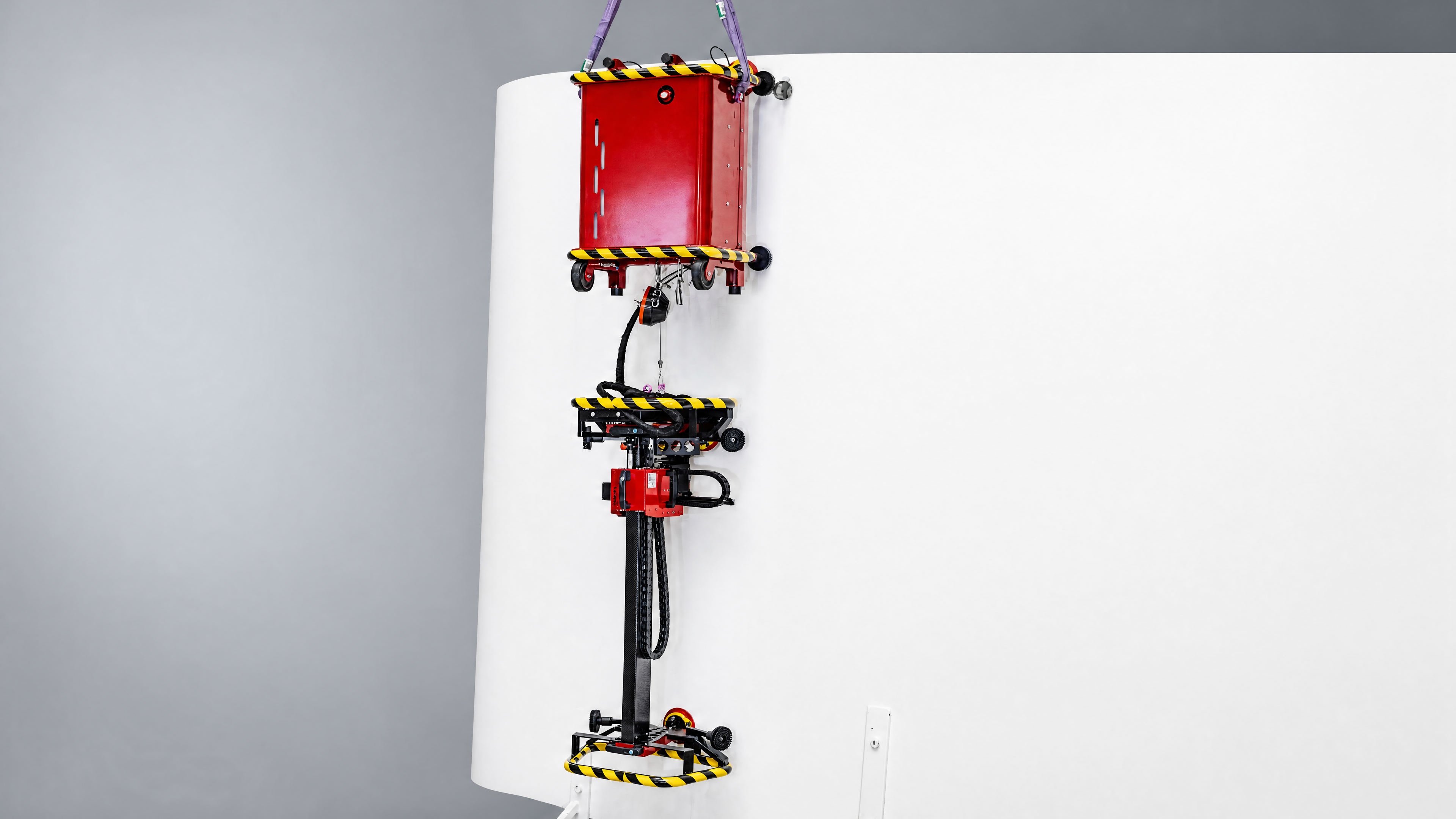
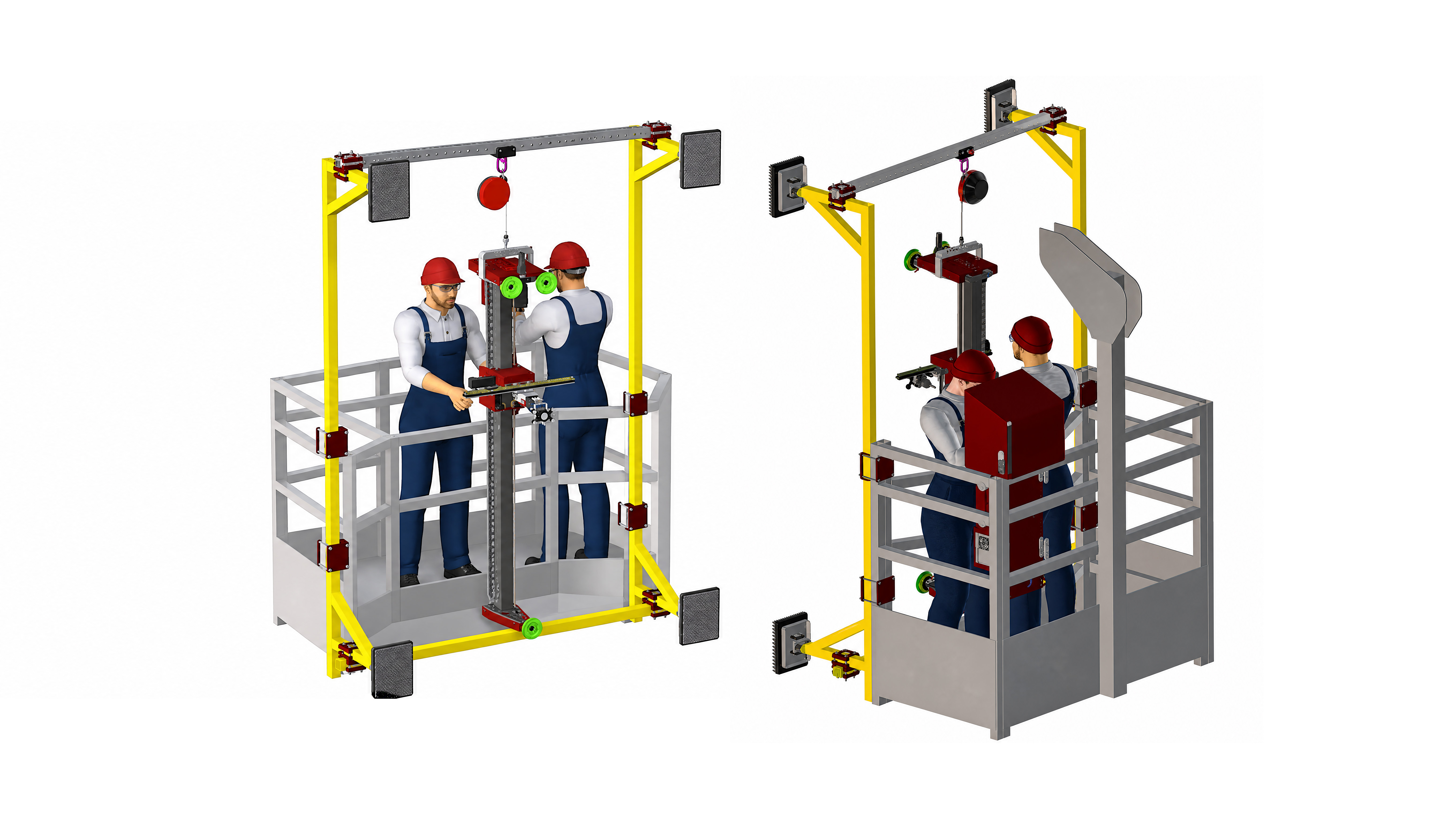
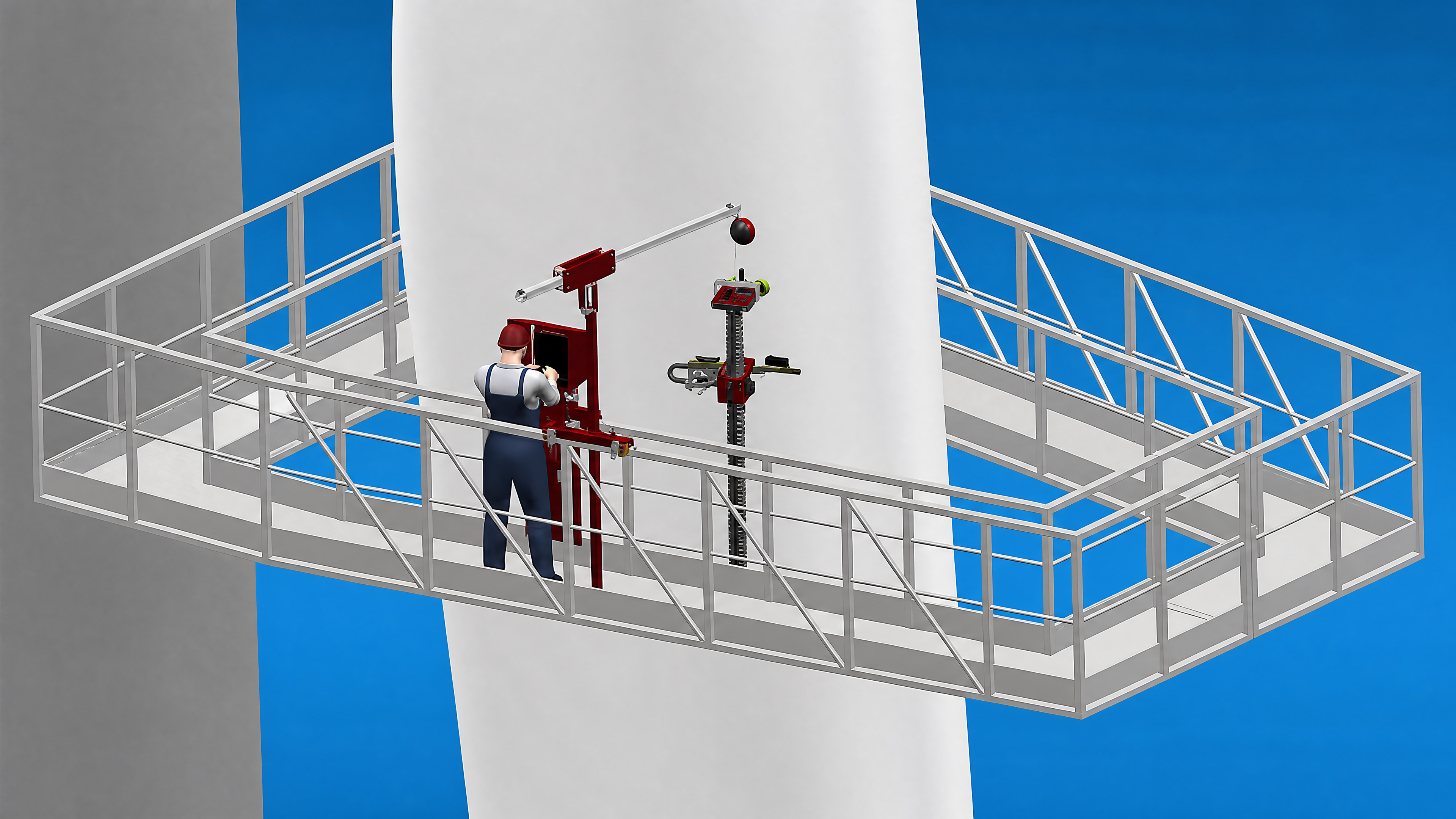
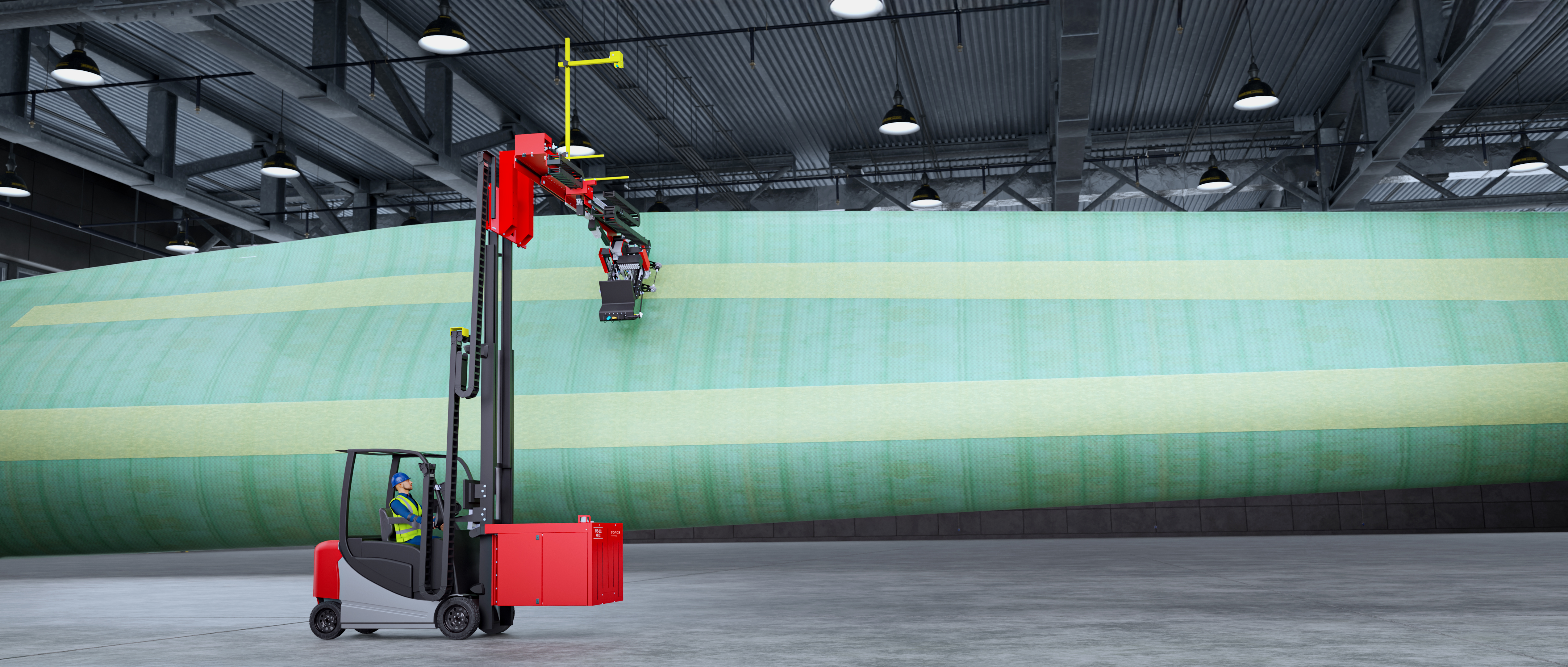
The service applies automated ultrasonic P-scan inspection with setups adapted to blade geometry and access conditions. In production, forklift-mounted systems enable immediate inspection, while flexible rope, basket and compact setups support workshop and in-service environments. The inspection delivers consistent data for evaluation and documentation across the blade lifecycle. The service is part of our expertise area Inspection and non-destructive testing (NDT)

An automated ultrasonic scanner performing P-scan inspection on a wind turbine blade.
Automated ultrasonic blade inspection setup during production

Challenges

When blade defects are not identified early, quality assessment, repair decisions and inspection reliability are affected.

Undetected bonding flaws increase rework and uncertainty

Bonding defects, delamination and voids may remain hidden after production and affect structural integrity. Without early detection, manufacturers face increased rework and reduced confidence in quality assessment.

Increasing blade size challenges inspection coverage

Larger blades make it more difficult to achieve consistent inspection coverage and data quality. Without an inspection setup tailored to the blade geometry and inspection requirements, collected data may be insufficient for a reliable evaluation.

Limited field access complicates in-service inspection

In-service inspection is affected by weather conditions and difficult access. Without suitable rope, basket or compact setups, outer sections and repaired areas are harder to assess.

Repaired and complex areas require flexible setups

Repaired zones and hard-to-reach sections require flexible scanner positioning. If these areas are not inspected effectively, local defects may remain unresolved.

Benefits

Get inspection data that supports quality control, analysis and reporting across blade production and service.

Enable earlier quality control in production

Automated ultrasonic P-scan inspection provides data immediately after production, supporting early evaluation of blade quality and reducing the likelihood of avoidable rework. 

Match inspection setup to blade and access conditions

Scanner configurations are selected based on blade geometry, repaired zones and access conditions, enabling inspection across both standard and complex areas. 

Collect data for evaluation and documentation

Inspection systems are designed to collect consistent data for subsequent evaluation and reporting, supporting documentation across production and service activities.