
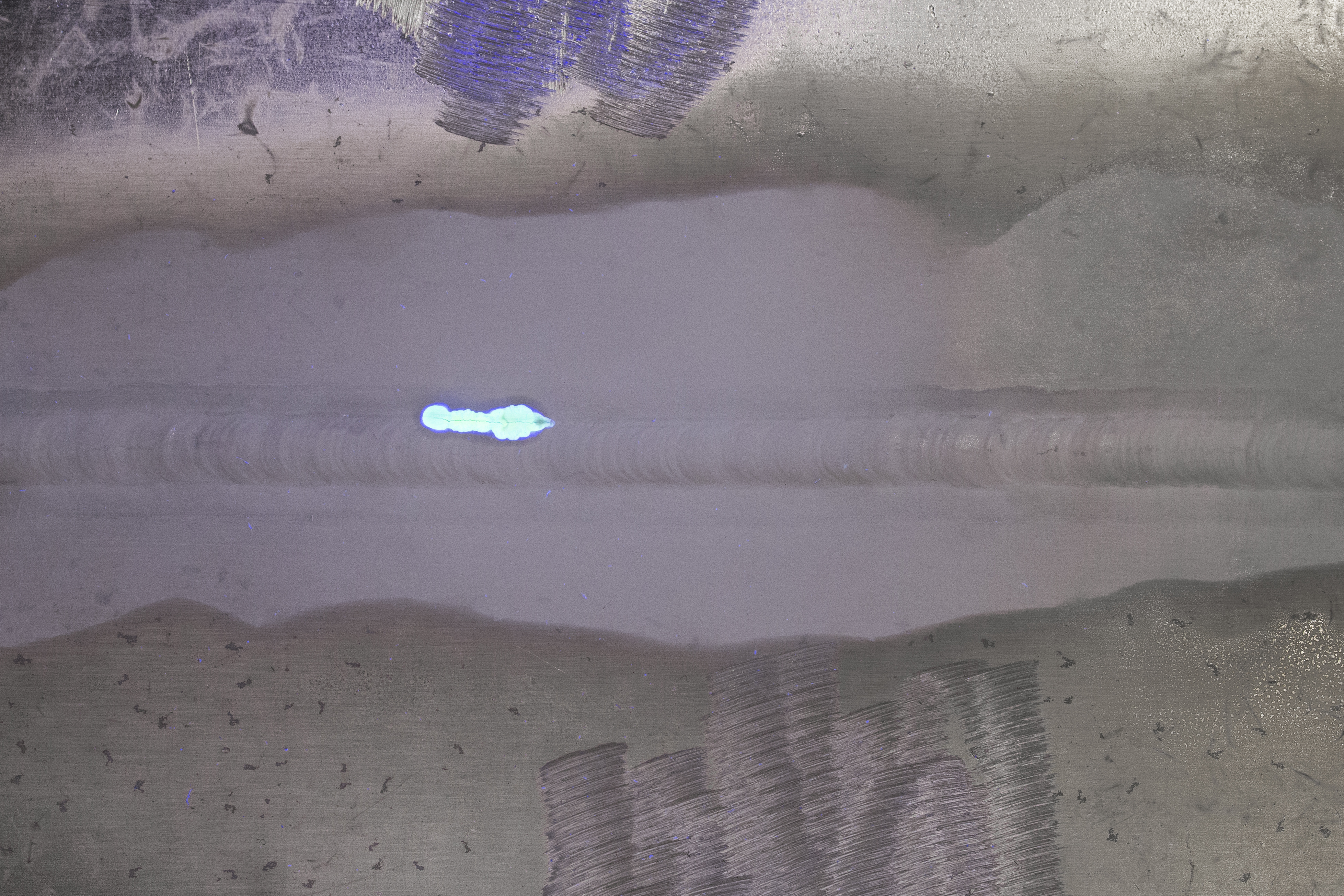
Magnetic particle testing (MT) identifies surface and near-surface defects in ferromagnetic items during welding, forming or machining stages. Penetrant testing (PT) highlights fine cracks, pores and fissures on machined, cast or welded surfaces before further processing. 3D Magnetic Flux Leakage (3D MFL) detects surface-breaking and near-surface indications in ferromagnetic components that require broader coverage.
Inspection and non-destructive testing (NDT)
NDT for detecting manufacturing-related defects
Testing internal product quality and compliance with standards during manufacturing related defects
Non-destructive testing (NDT) is more than inspection. It is independent decision support that enables management to protect assets, ensure compliance, and make informed, risk‑based decisions without impacting operation or component lifetime.
Reducing failure risk and strengthening decisions
By identifying critical internal defects that cannot be detected visually, NDT significantly reduces the risk of failures, unplanned shutdowns, and consequential financial losses. Acting as an independent third party, Force Technology delivers objective and accredited results that decisionmakers can rely on, both internally and externally. For executives, asset managers, and quality assurance functions, NDT supports evidence‑based risk management and predictable operation.
Challenges
When manufacturing quality goes unseen, uncertainty and production risk increase.
Hidden defects emerge late in production
Internal flaws can develop during welding, casting or composite manufacturing without visible indicators, leading to late discovery, rework or scrap once components have progressed.
Process drift leads to inconsistent batch quality
Undetected changes in parameters cause variation between batches that standard controls cannot identify, reducing confidence in manufacturing consistency.
Limited in-line verification creates acceptance uncertainty
When critical features cannot be verified during production, it becomes difficult to confirm compliance before components move to the next stage.
Fragmented documentation weakens traceability and audit readiness
Incomplete or inconsistent quality records undermine traceability and complicate audits, customer reviews and compliance checks.
Benefits
Gain better process insight, steadier production and clearer quality control
Earlier visibility, fewer unexpected issues
Manufacturing process monitoring with NDT highlights internal or hidden flaws during production, reducing the likelihood of late discoveries that disrupt the flow of work. Related approaches may include condition monitoring NDT.
Stable conditions, more consistent output
Insight into process drift helps teams recognise variation early, leading to steadier quality across batches and fewer interruptions caused by shifting process parameters.
Reliable checks, less uncertainty in production
Regular verification of key quality features supports confident movement between production steps and lowers the risk of advancing components that do not meet requirements.
Structured records, easier reviews and audits
Consistent documentation across manufacturing provides a clear view of product quality over time, making later assessments, customer dialogue and audits more straightforward.
