
Test Dynamic Positioning capability for vessels or platforms that must maintain position without mooring or anchoring.

Dynamic Positioning (DP) studies support operators and technical teams when vessels or offshore platforms need to maintain position at sea without mooring or anchoring. The studies can be carried out on any type of vessel or offshore platform, including semisubmersibles, drillships and cable-laying vessels.

When stable positioning is critical

The need arises when water depth, seabed conditions or the operation make conventional position-keeping unsuitable. Without a clear basis for assessing DP performance, it becomes more difficult to define operational limits, evaluate failure scenarios and determine whether the vessel or platform can maintain position under the relevant environmental conditions. The service is part of our expertise area Maritime and offshore engineering.

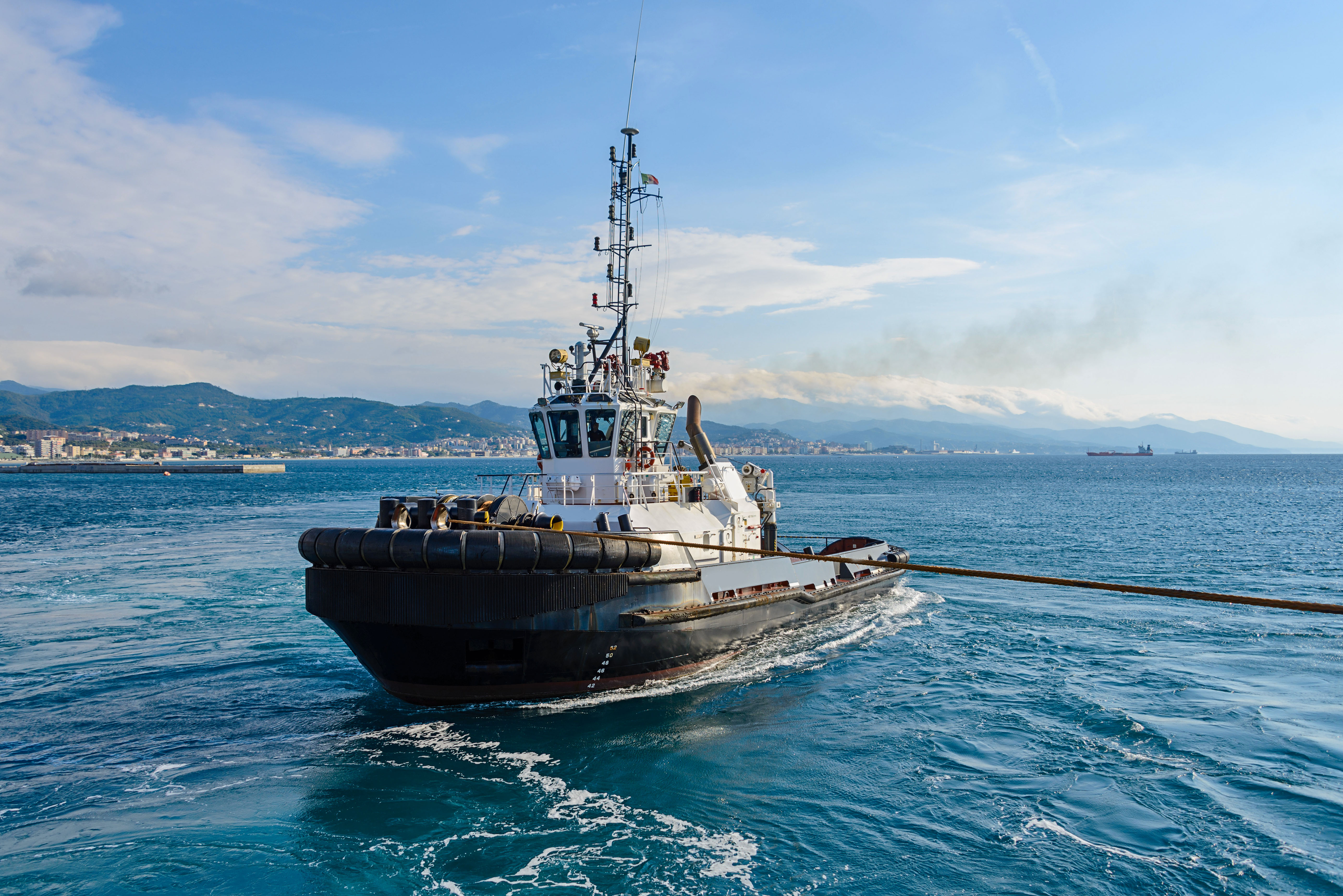
Tugboat performing dynamic positioning investigations at sea, holding position while connected by towline, with coastline and offshore vessels in the background.
Tugboat used to assess vessel position keeping capability under real sea conditions.

Challenges

When vessels or platforms must maintain position offshore, an unreliable DP function can make the operation impossible to carry out.

Unclear holding capability limit Without a documented

Understanding of how wind, current and waves affect a vessel or platform, it is difficult to define operational limits that the vessel can balance through optimal use of its propulsion systems.

Adverse slamming effects

Without investigations of wave-induced impacts on fixed and floating structures, it is unclear how slamming affects loads and motions. This weakens the basis for assessing structural response.

Uncertain thruster interaction

Without documented insight into thruster-hull and thruster-thruster interaction effects, the available thrust and efficiency are uncertain. This weakens the technical basis for assessing DP performance

Benefits

Get documented DP investigation results that support technical evaluation, planning and position keeping assessments

Assess failure scenarios in DP performance

Once vessel or platform data has been entered into DPLab, the effect of losing one or more units can be analysed. This provides a rapid basis for assessing the impact on DP performance.

Assess DP performance with flexible analyses

Once vessel or platform data has been entered into DPLab, the program can be used to perform different analyses. This provides a consistent basis for assessing DP performance under changing conditions.