
- Aerospace components requiring lightweight, high-integrity joints
- Automotive structures using advanced or mixed materials
- Shipbuilding applications involving large, high-strength welded assemblies
- Wind turbine generators with fatigue-loaded or corrosion-exposed welds
- Appliance manufacturing where thin materials demand controlled heat input
Welding technologies
Novel welding procedure development & prototyping
Make sure new welding procedures work in practice and are ready for production.
Manufacturers developing new or improved welded products often face delays and uncertainty when new materials or joint designs enter the picture. Unclear process limits, unstable weld quality and missing documentation make it difficult to move confidently from prototype to production.
From welding concept to stable production
Working with experienced welding technology specialists, manufacturers can test and refine new welding procedures under controlled, realistic conditions. Specialists define process parameters, verify weld quality and confirm repeatability through laboratory or on-site trials. The result is a validated welding procedure that performs reliably and supports consistent production.
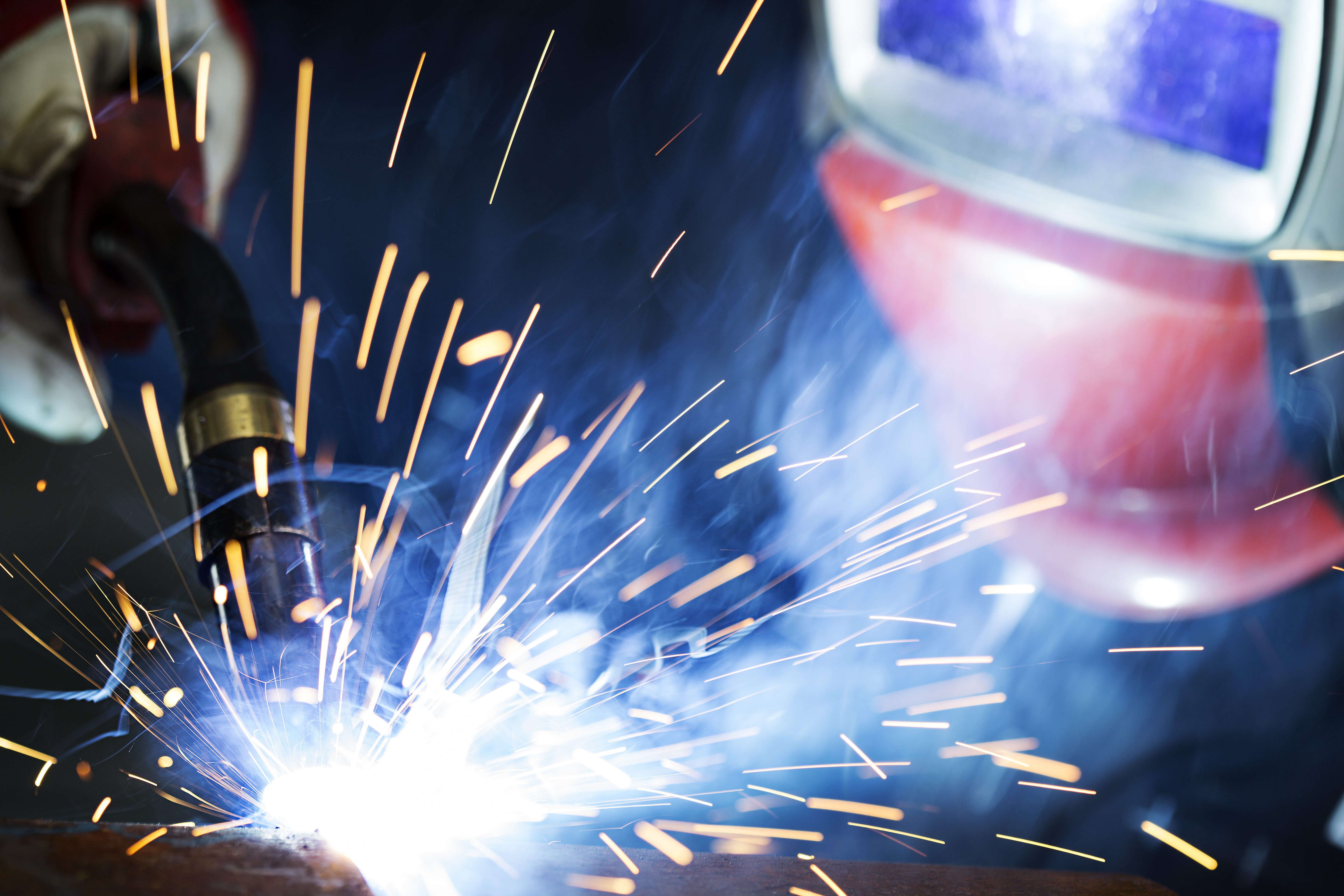
Challenges
When welding procedures are poorly defined, projects slow down and risk increases
Unclear parameters cause unstable production
When process limits are not clearly defined during development, results vary between trials and production, leading to inconsistent weld quality.
Poor documentation slows qualification and approval
Incomplete records and weak traceability make it difficult to qualify procedures and gain timely acceptance from clients or authorities.
New materials introduce unexpected defects
When weldability is not verified early, new materials or joint designs lead to defects that require repeated adjustments and retesting.
Late feasibility checks drive rework and cost
Issues discovered after design freeze or scale-up result in rework, schedule delays and higher project costs.
Benefits
Get proven welding procedures that reduce risk and accelerate production readiness
Consistent quality, reliable performance
Controlled development ensures every qualified procedure produces repeatable welds that meet all mechanical and visual requirements.
Faster development, fewer delays
Structured testing and documentation shorten the route from concept to production, reducing costly trial-and-error cycles.
Complete records, easier compliance
Comprehensive documentation of parameters, materials and results simplifies qualification and integration into control systems.
Verified procedures, lower project risk
Early validation confirms weldability and strength, reducing uncertainty when applying new materials or joint designs.
