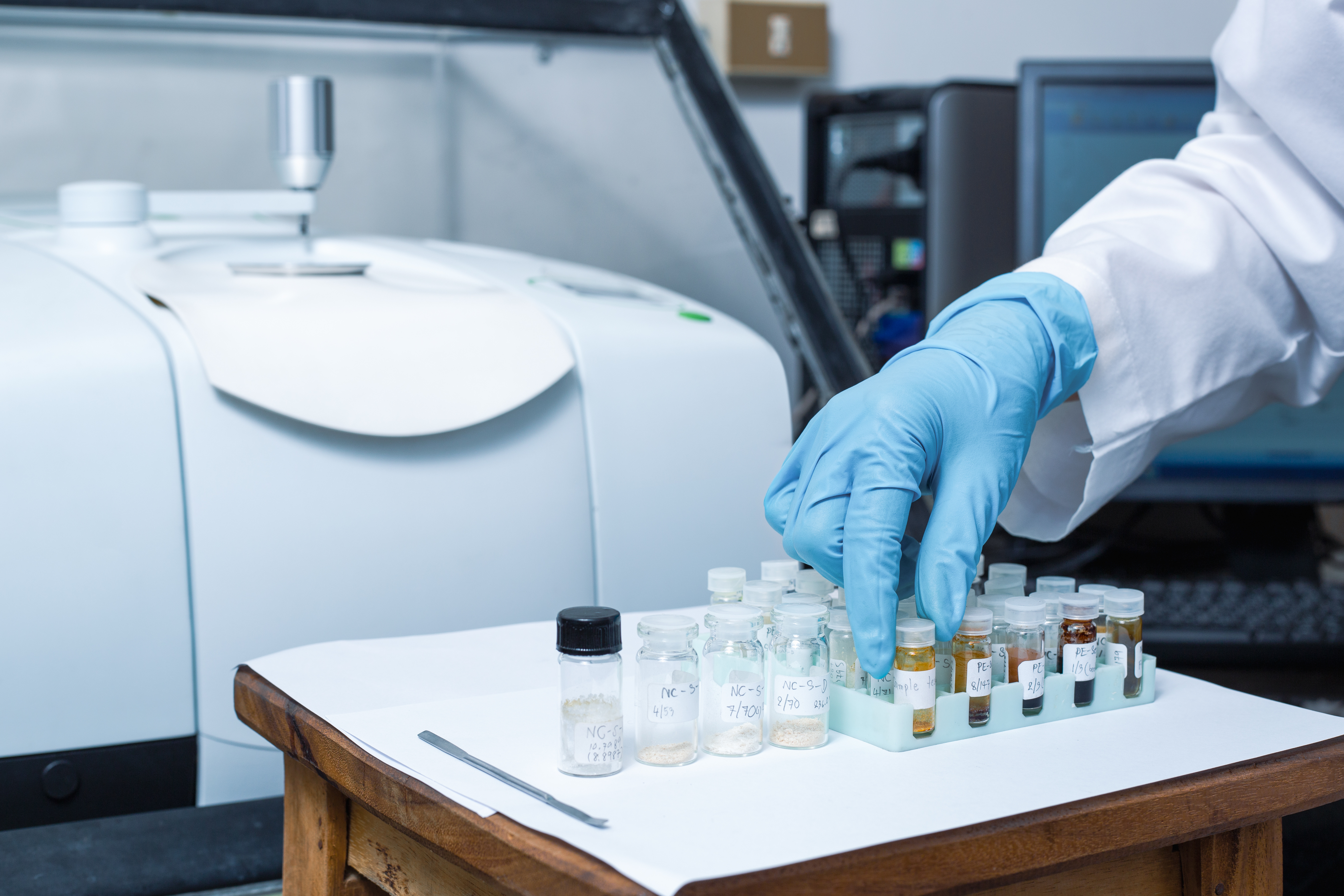
Chemical analyses of food to verify ingredients and declarations
Through chemical analyses of the contents of imported food and other goods, we support importers and authorities with documentation.
Producers and importers of food need chemical analyses to determine specific nutrient matter in a product, such as milkfat, milkprotein, starch/glucose and sugars. The need arises when content must be substantiated for customs purposes, as the composition affects tariff classification.
Methods and standards
The service covers routine food analyses and customer defined analytical work for defined documentation purposes.
Analyses are typically carried out according to recommended EU and other standard methods corresponding to tariff classification of food product and other imported goods.
For more than 100 years, we have provided analytical support to SKAT (The National Danish Tax Authorities), typically in customs-related cases involving proposal of tariff classification of imported goods. The service is part of our food safety and regulation expertise area.
Chemical analyses of food and imported goods provide documented results for tariff classification, excise duties and investigation of foreign bodies..
Challenges
When the declaration of imported goods is uncertain, tariff classification of goods is not possible.
Determination of tariff classification code
When importing food and other goods, it is necessary to determine the correct tariff classification code, as this serves as the basis for tariff classification and subsequent handling of the goods.
Uncertainty about excise duties
When importing food and other goods, companies must account for excise duties. If the composition of the goods is not documented, it becomes difficult for the authorities to determine the basis for excise duties.
Benefits
Use analytical results as a basis for tariff classification, excise duties and tariff classification codes.
Basis for tariff classification codes
Chemical analyses and technical investigations provide a documented basis for proposing tariff classification codes for imported food and other goods.
Support the determination of excise duties
Analyses of product composition can serve as a basis for the authorities when determining excise duties.
Extensive experience across many product types
We have extensive experience with tariff classification of food and other goods imported into the EU, covering almost all chapters of the customs tariff
Get support for tariff classification
Chemical analyses and technical insight provide a better basis for documenting content and clarifying tariff classification questions for imported goods.
Discuss your food analysis and documentation needs
Share what you need to document, for example, ingredient content, alcohol or purity of ethanol, or examination of an unknown foreign body. Provide any declaration or specification, as well as your timeline. We will outline the relevant analysis options and the information needed to plan sampling and reporting.
Service scope
What the service covers
Chemical lab analyses to determine constituents such as sugars, fat, starch, butterfat, cocoa, alcohol and purity of ethanol using recommended and current methods and standards for the purpose of tariff classification.
The analyses provide results that can be used to describe composition and compare measured content with declared or specified product information and to give a proposal of tariff classification.
Additional analytical work for defined documentation purposes where specific content or composition must be substantiated. The analytical scope is aligned with the concrete documentation question, so the reported results match the required level of detail.
Analytical work is used in relation to tariff classification, where product composition must be documented, building on long-standing laboratory work for the Danish customs authority.
The analyses provide composition data for proposals for tariff classification of food and other imported goods.
The results can be used to relate the material to possible sources of contamination and to continue structured investigation work.
Standards
Standards, methods and accreditation
Food analyses are accredited according to ISO 17025. The accreditation supports reliable and documented analytical work and provides a recognised basis for results used for tariff classification, excise duties and other documentation purposes.