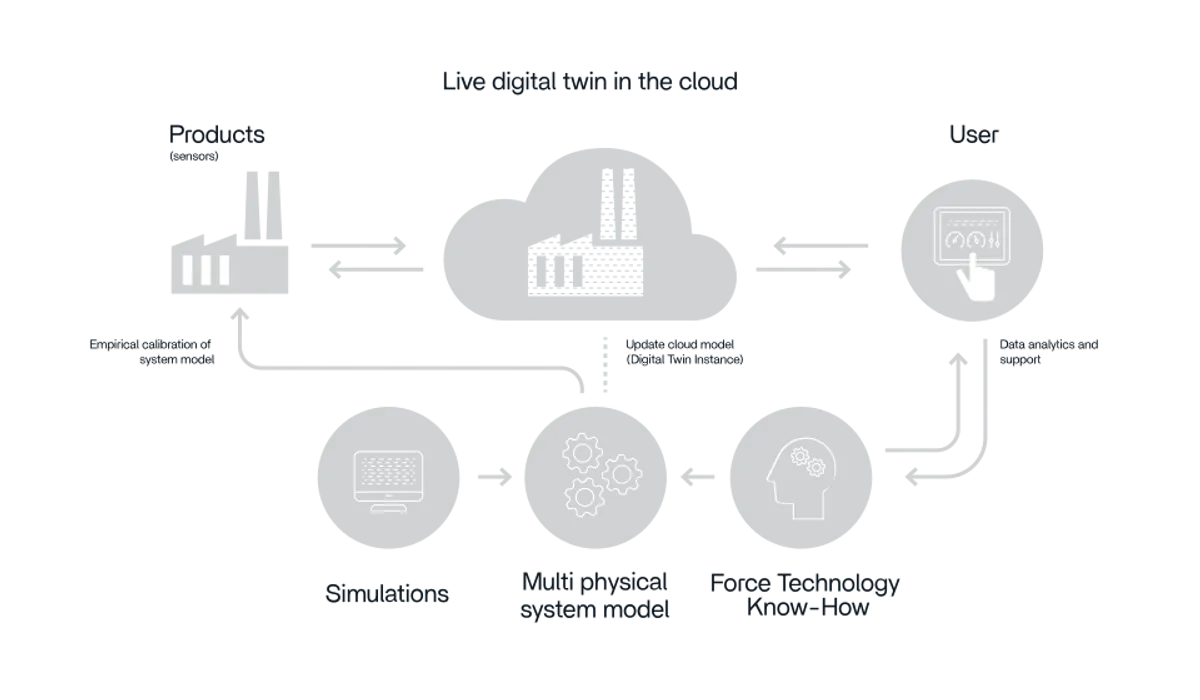
The service can include digital representations based on 3D models and simulations that are used to assess expected product or system behaviour before manufacturing, testing or operational implementation.
Digitalisation and connected systems
Digital twins for product and system optimisation
Use digital twins to support design, operation and maintenance across the lifecycle of a product or system
Digital twins support organisations that need to design, develop, manage and optimise the performance of a product or a wider system. The need often arises when teams require early insight into performance, lifetime, energy use or resource use before changes.
Support across the lifecycle
Digital twins create a clearer basis for evaluating improvements, planning maintenance and using operational insight in future product generations. This helps teams work with product and system performance in the whole life cycle. The service is part of the expertise area Digitalisation and connected systems and we also offer Digital twin prototype for design and virtual tests.
Challenges
When teams lack a digital view of product or system behaviour, design, maintenance and improvement decisions become more resource-intensive
Limited testing before physical build delays decisions
When ideas and changes cannot be explored in a digital environment, teams must rely more on costly physical iterations. This slows design decisions and makes it harder to compare alternatives before manufacturing starts.
Low visibility in operation weakens evaluation of changes
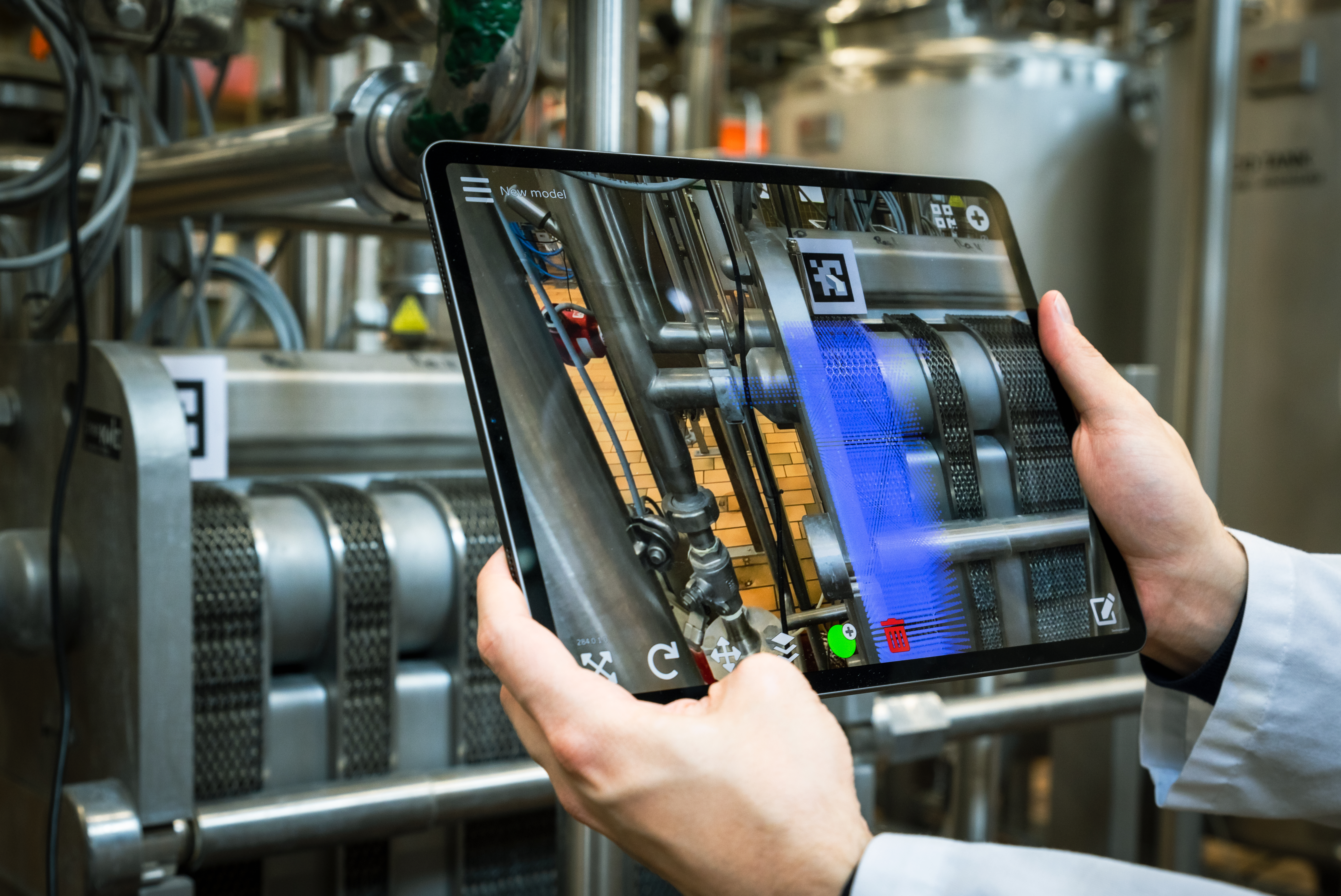
Without a digital representation that connects performance information across design and operation, it is harder to understand how a product or system performs in use.
Late fault detection increases disruption and cost
When maintenance scenarios and time-to-failure are not analysed early, faults are more likely to be discovered after operating conditions have degraded. This can increase downtime and raise operating costs.
Benefits
Gain a clearer basis for design, operation and maintenance decisions through digital performance insight
Test changes before physical implementation
A digital twin provides a model-based environment where design ideas, changes and improvements can be assessed before manufacturing or physical testing. This gives teams a more informed basis for comparing options and deciding what should move forward.