

Inspection, verification and maintenance
Asset integrity and asset lifecycle management
Monitor, verify and document the structural condition of subsea and offshore assets throughout their service life.
Operators and owners of subsea and offshore assets must ensure that pipelines, risers, wells and structures remain fit for purpose throughout their service life. Integrity managers and technical authorities are responsible for demonstrating compliance with recognised standards and defined safety margins during operation and life extension.
Requirements for documented integrity during operation
The need for asset integrity services typically arises during in-service operation, ageing assessments, verification of inspection findings or when monitoring data indicates structural change. Without documented evaluation and independent verification, safety margins may be reduced, shutdown risk increases, and regulatory compliance becomes uncertain.
Basis for maintenance and lifetime extension
Asset integrity and lifecycle management services can provide structured monitoring, inspection and third-party verification to document structural condition and confirm alignment with applicable requirements. The documentation supports maintenance planning, continued operation and justified extension of asset service life.
Newsletter
Stay informed on asset integrity practices
Subscribe to receive updates on structural monitoring, subsea inspection and integrity management approaches for offshore and energy assets.
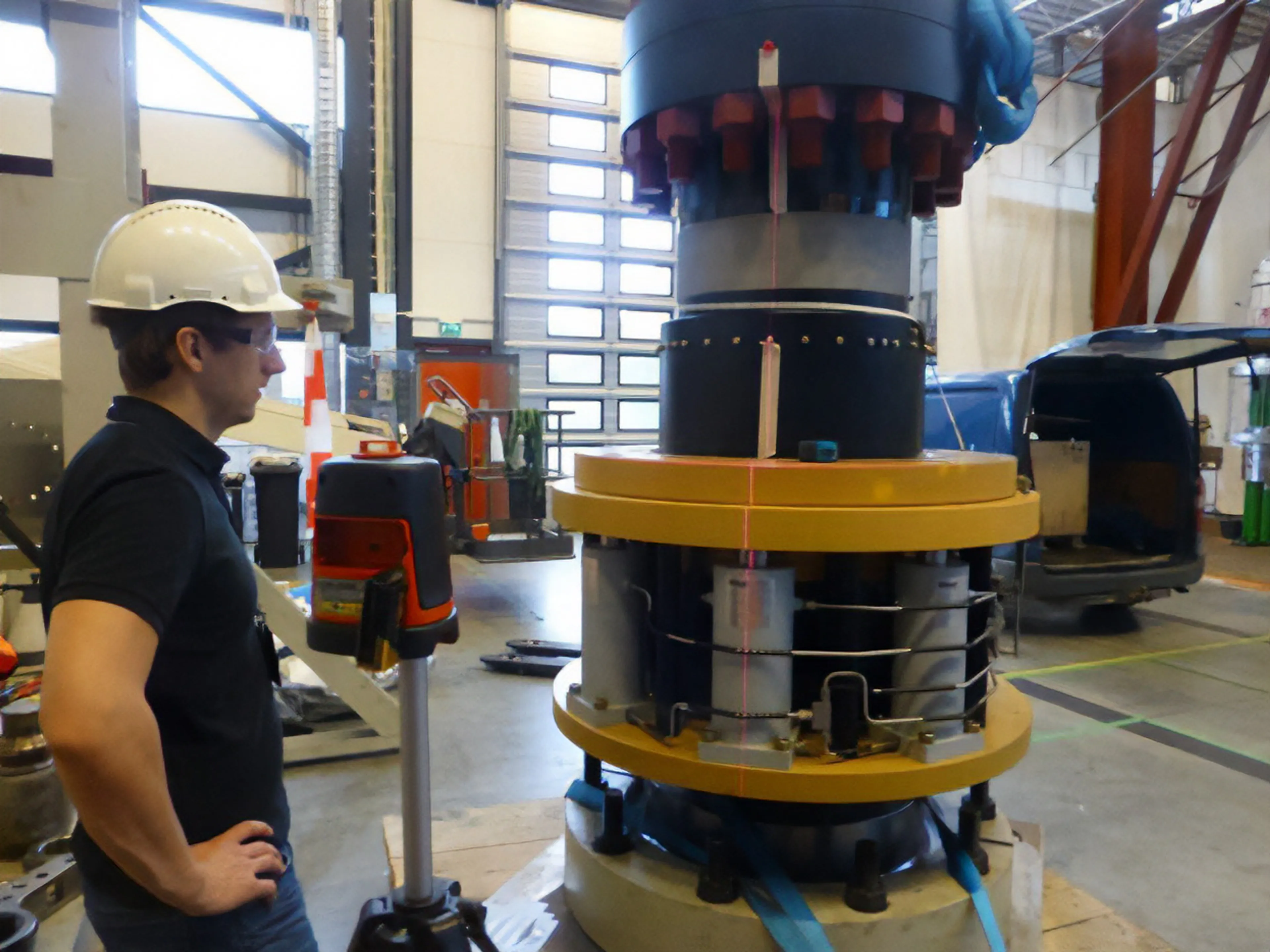
Structural monitoring of pipelines, risers and wells
Structural monitoring of pipelines, risers and wells
Continuous monitoring detects strain, fatigue and deformation in subsea and offshore assets to support safe operation and lifecycle planning.
