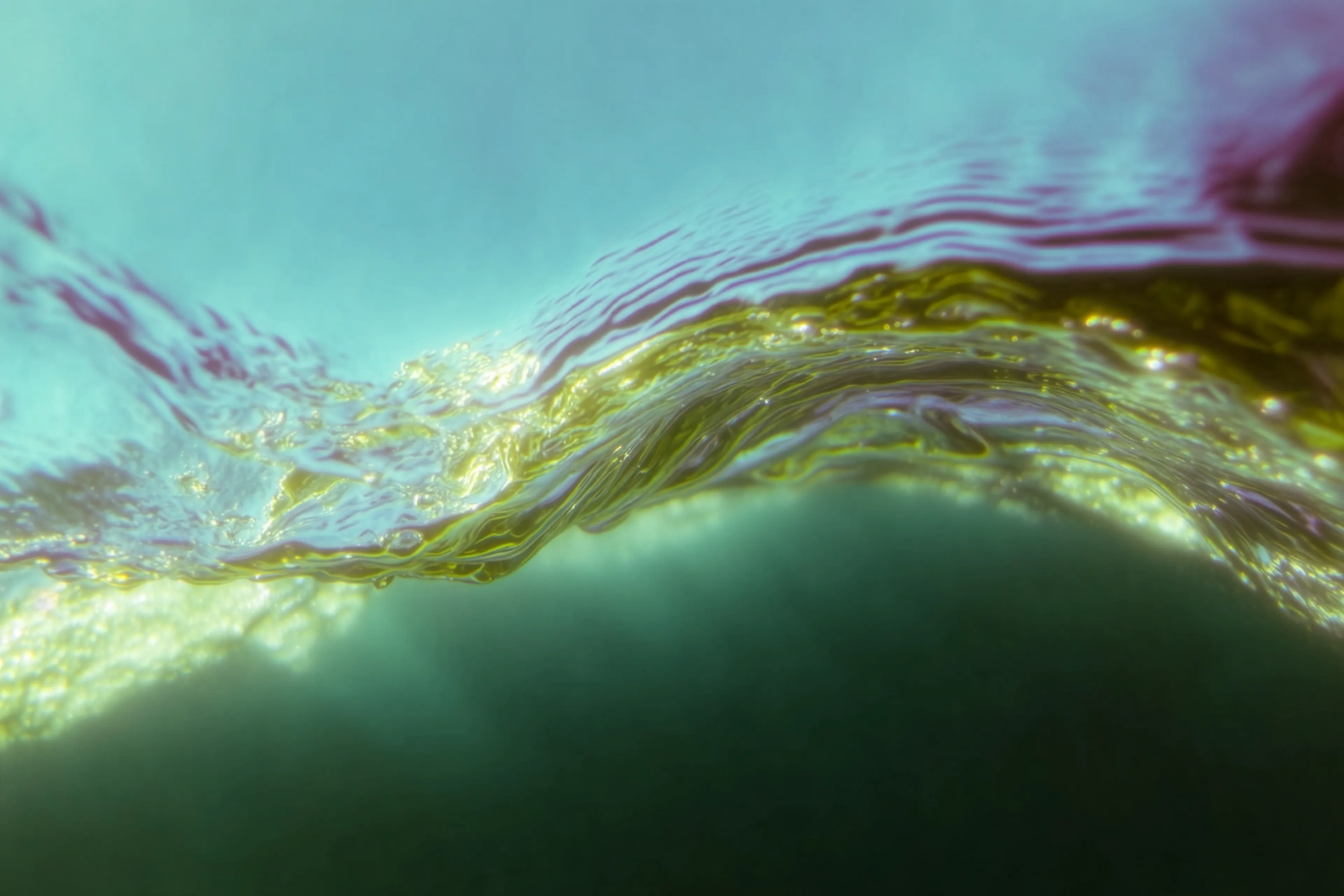
Model tests are performed in the towing tank by towing the model to simulate the current. Tests can be carried out in calm water and in waves. The model is held in place by a horizontal mooring system that replicates the full-scale system's horizontal stiffness, providing a basis for evaluating VIV/VIM responses under defined test conditions.
Maritime and offshore engineering
VIV/VIM model tests for offshore structures
Assess VIV/VIM response in offshore structures to support evaluation of fatigue-related effects.
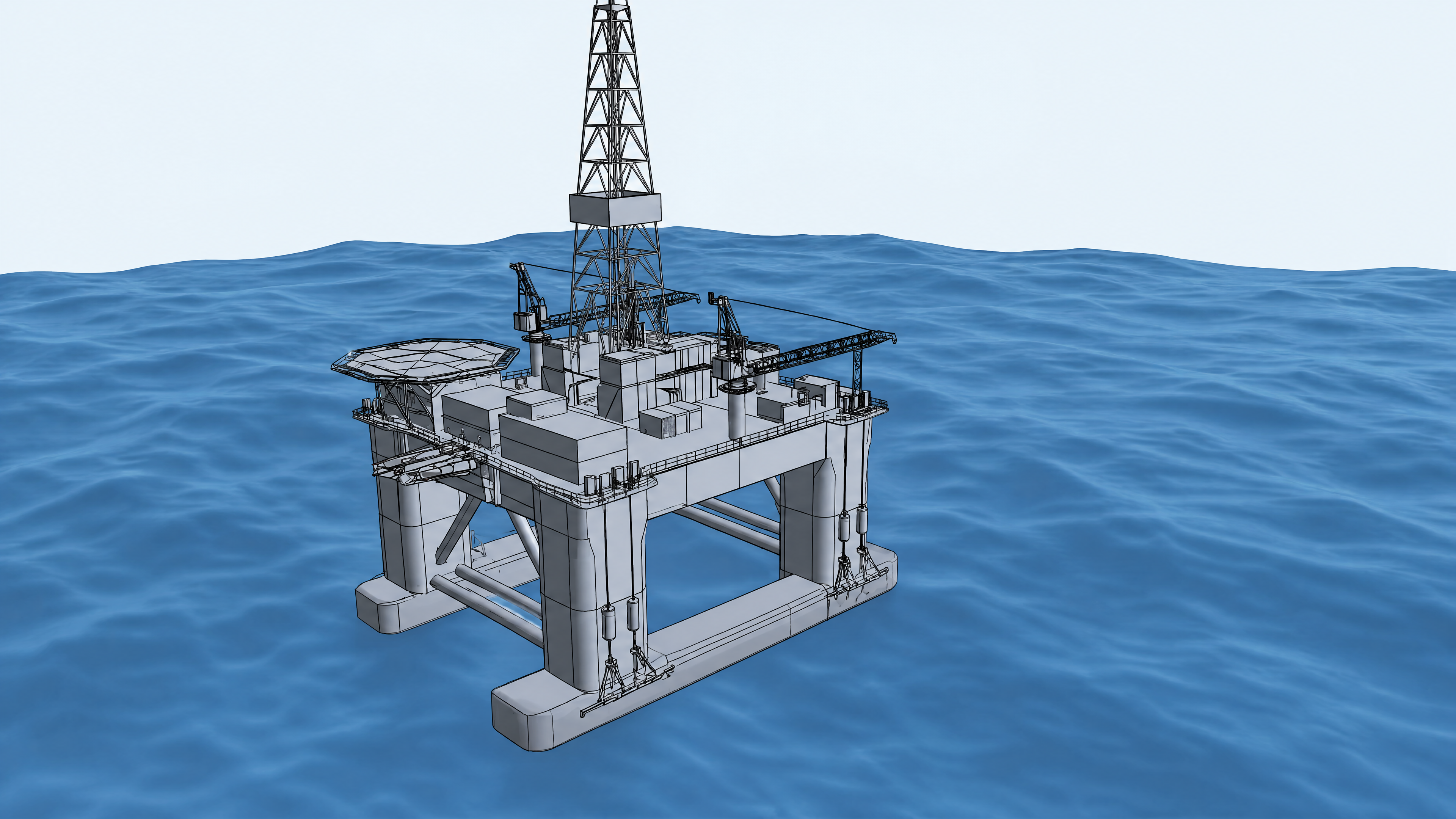
VIV/VIM model tests are relevant when vortex-induced vibrations or motions may affect floating platforms, risers, pipelines, tethers or other structures in oil and gas applications. The need typically arises when vortex shedding, lock-on and large motion amplitudes must be evaluated before they increase loading on connected equipment and influence fatigue life. The service is part of our expertise area Maritime and offshore engineering.
Challenges
When offshore structures are exposed to current, an uncertain VIV/VIM response undermine the basis for fatigue assessments and design decisions.
Lock-on can drive large motion amplitudes
When vortex shedding approaches the natural frequencies of the structure, synchronised motion can occur, leading to increased transverse oscillations. Without documented response data, it becomes difficult to judge the severity of the behaviour and its effect on the structure.
Current direction changes the platform response
The VIV/VIM response of floating platforms depends strongly on the current direction relative to the platform. If this variation is not examined across a full range of approach angles and speeds, important response conditions may be missed.
Connected equipment can be exposed to higher loading
VIV of production platforms can add stress to risers, mooring lines and other equipment and may affect fatigue life. When the loading level is unclear, evaluation of structural consequences and follow-up work becomes less certain.
Wave conditions can alter the observed behaviour
In some cases, waves reduce VIM cross-flow amplitudes. If calm water results are considered alone, the effect of wave conditions on the measured response may remain unresolved.
Benefits
Get documented response data that supports fatigue evaluations of offshore structures
Compare response under relevant flow conditions
Test data from current conditions allows comparison of how floating platforms and other offshore structures respond to changing flows. This helps project teams identify which conditions are most critical for the evaluated structure and use that knowledge in the technical assessment.
