
The work begins with clarification of the component, deposit, particle or sample material and the purpose of the analysis. This defines whether the task relates to identification of material composition, comparison against requirements or examination in relation to a technical issue, contamination source in e.g. water or damage case.
Chemical analysis
Inorganic analysis of materials
Determine the composition of inorganic materials and deposits to document whether they meet required specifications.
Manufacturers and suppliers need reliable insight into the composition of inorganic materials, particles and deposits to support production and quality control. When the material basis is unclear, it creates uncertainty in how components, residues or contamination sources should be assessed, selected or handled in ongoing operations.
Context for material evaluation
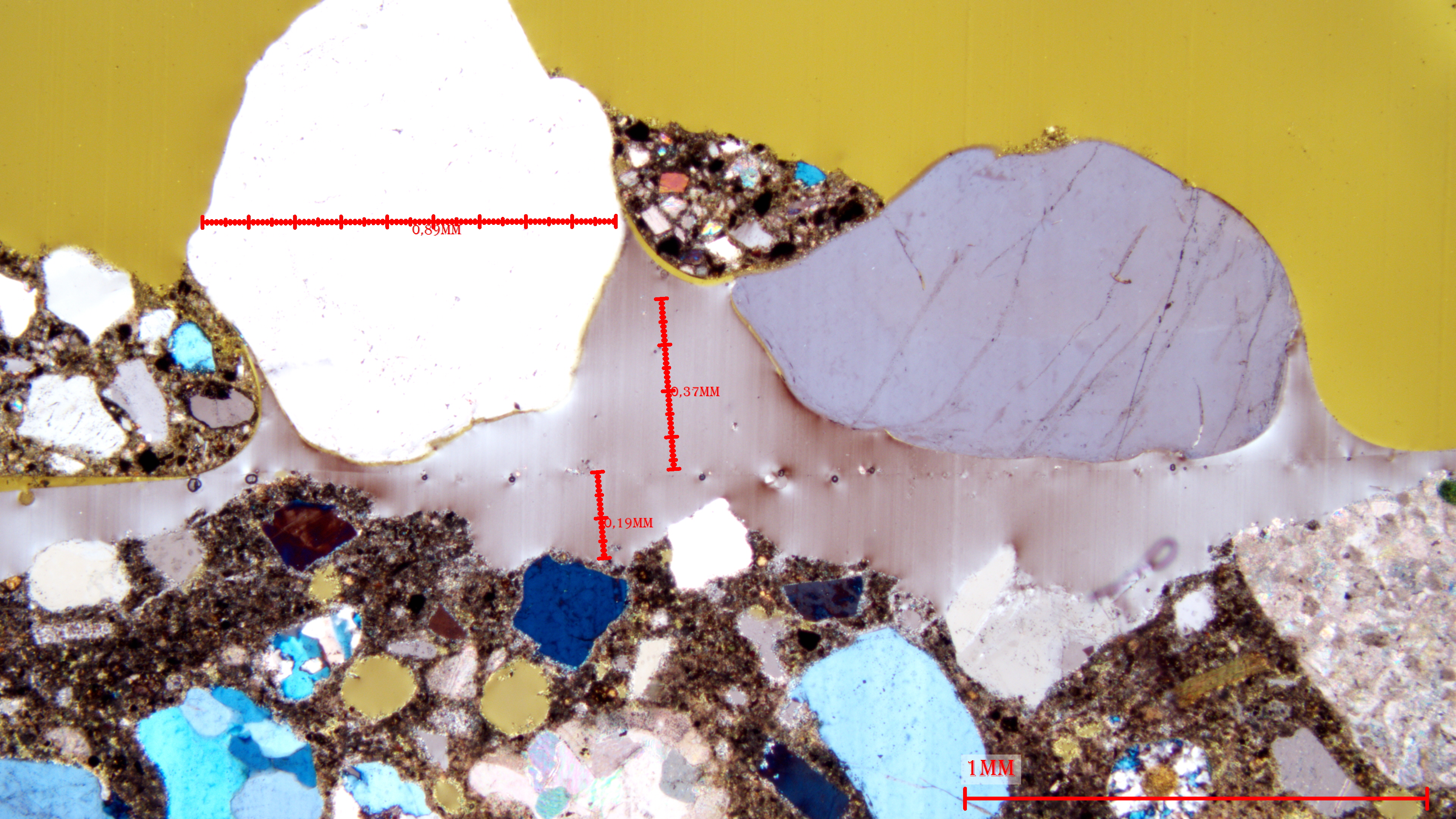
Inorganic chemical analysis establishes a documented basis for understanding materials in components, products and technical systems. The work may include sample preparation and destructive examination to enable consistent evaluation of the material. This provides a structured basis for further technical assessment, including evaluation of material behaviour, contamination sources and suitability in specific applications.
Challenges
When there is uncertainty about the composition of inorganic materials, it becomes difficult to determine whether they meet the required specifications.
Unclear composition blocks specification assessment
When the composition of particles, deposits or inorganic materials is not documented, manufacturers cannot determine whether the materials meet required specifications, which may affect quality control.
Incorrect material increases risk of failure
If the actual material deviates from the expected composition, components and technical systems may be exposed to conditions for which they are not designed, increasing the likelihood of damage or operational issues.
Missing examination delays clarification
When damage, contamination or failure occurs, lack of timely inorganic analysis makes it difficult to establish the role of material composition, delaying clarification of the cause and further handling of the case.
Benefits
Get documented material composition, sample preparation and reporting for materials, components and damage cases.
Support specification assessment with documented data
Inorganic analysis provides documented data on material composition and characteristics. This enables comparison with specified requirements and supports decisions regarding material acceptance, deviation handling or further investigation.
