
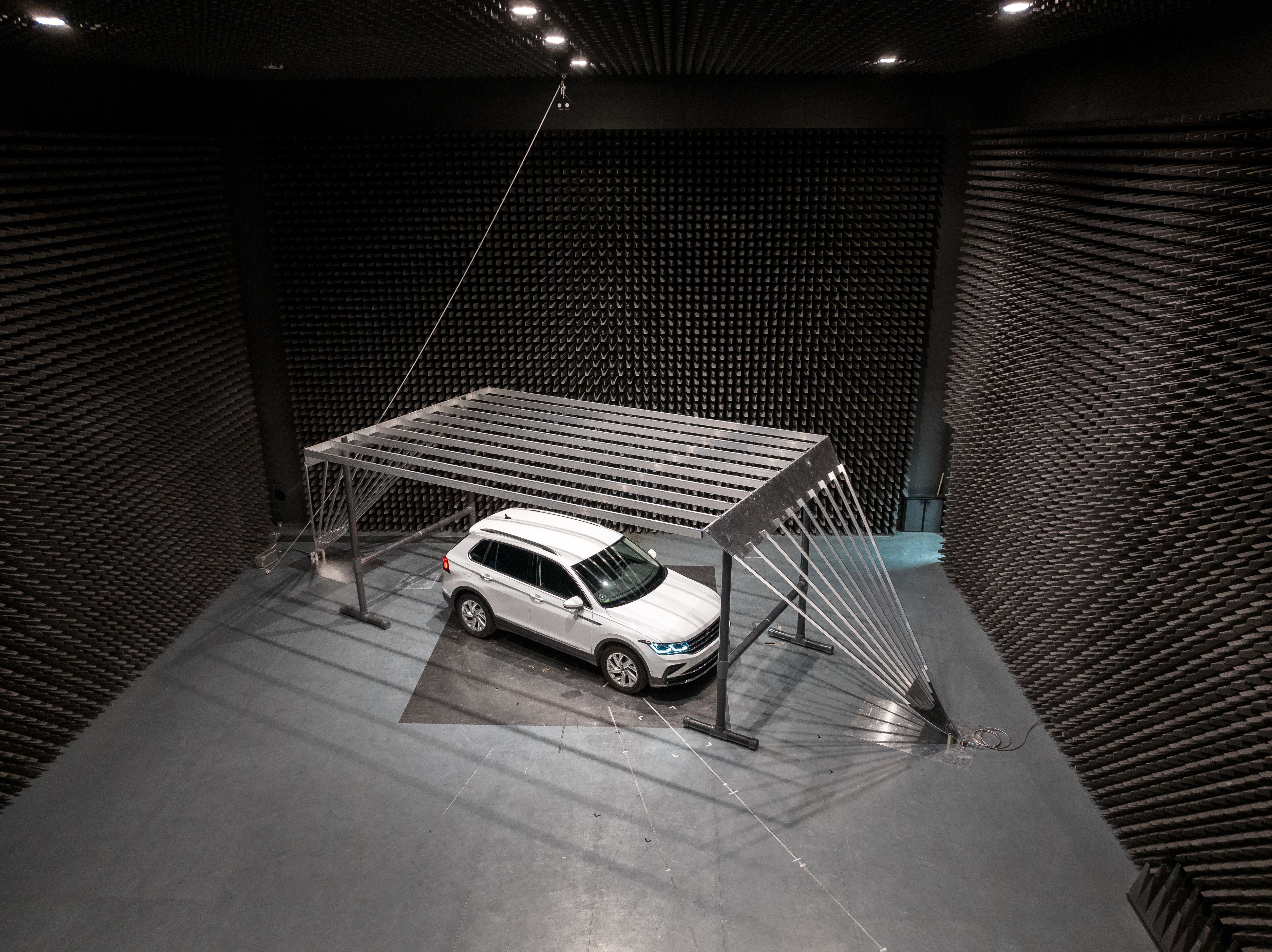
We test electronic sub-assemblies and components for road vehicles against applicable EMC requirements, including standards used in E-mark-related approval processes. The testing documents how components perform in electromagnetic environments and provides results for technical documentation and authority dialogue.
Electronic product compliance
Test and type approval of electronic automotive components
Obtain accredited testing and type-approval support for electronic automotive components and electronic systems used in vehicles and mobile machinery.
Electronic systems are central to modern vehicles, where control units, battery systems, displays and other components must operate reliably in dense electrical environments. Testing is typically required during development, updates or preparation for CE-marking, or when components are submitted for E-marking and type approval. If EMC requirements, electrical safety conditions and mechanical loads are not clarified and documented in time, projects may face repeated testing, design changes and delays in approval processes.
Testing scope and approval pathway for vehicle electronics
This service supports manufacturers and development engineers working with automotive electronic components and compliance. We guide automotive components through requirements specification, accredited EMC testing, electrical safety and mechanical testing, and support documentation and process handling linked to CE-marking, E-marking, E1 and E5 type approval.
Challenges
When test scope, standards and documentation are not aligned with the component and approval route, processes may be delayed.
Unclear standard selection causes repeated testing
If relevant UN ECE, ISO and EN standards are not identified early, components may be tested against incorrect or incomplete requirements. This can result in repeated testing, additional documentation work and delays in CE-marking or type-approval processes.
Electromagnetic interference affects functionality
Electronic components operate in complex electromagnetic environments. Without documented EMC performance, interference can impact communication, control and system behaviour, creating uncertainty before authority review and integration.
Incomplete documentation extends authority dialogue
Type approval requires structured reports and traceable results. Missing or unclear documentation can lead to additional authority questions, prolonging the approval process and delaying project progression.
Benefits
