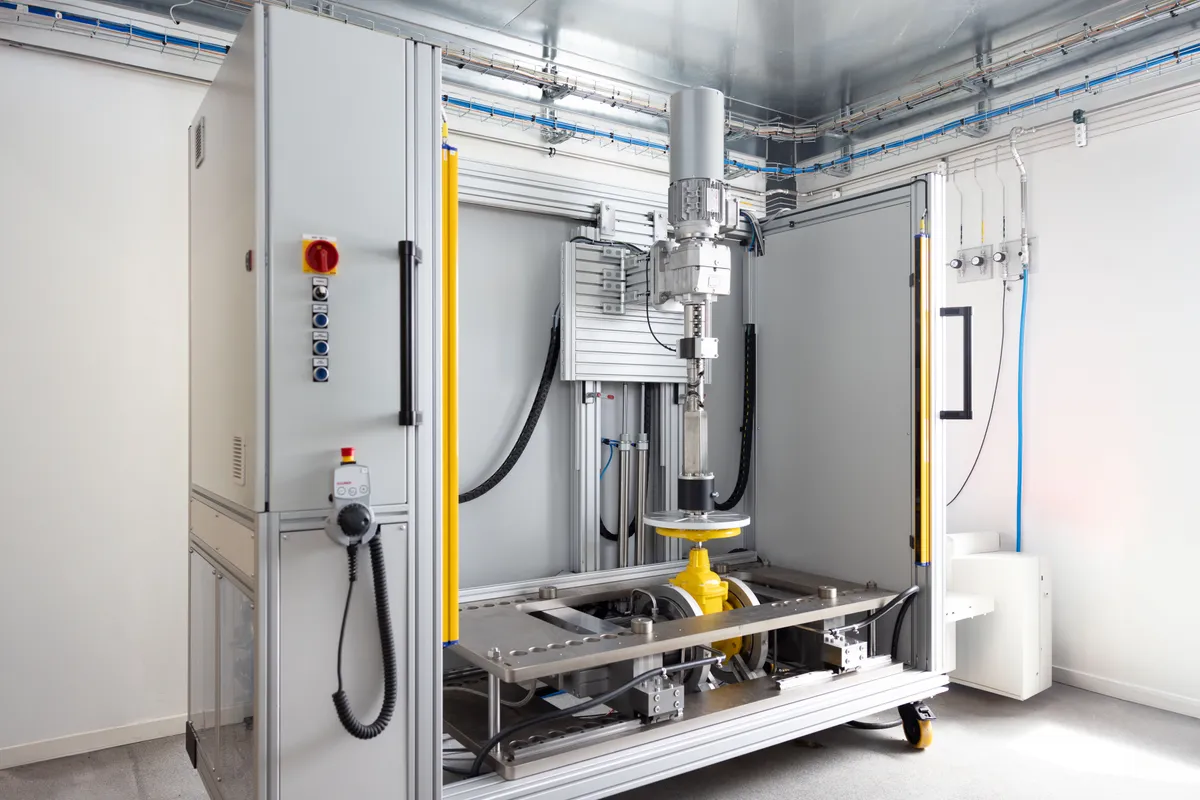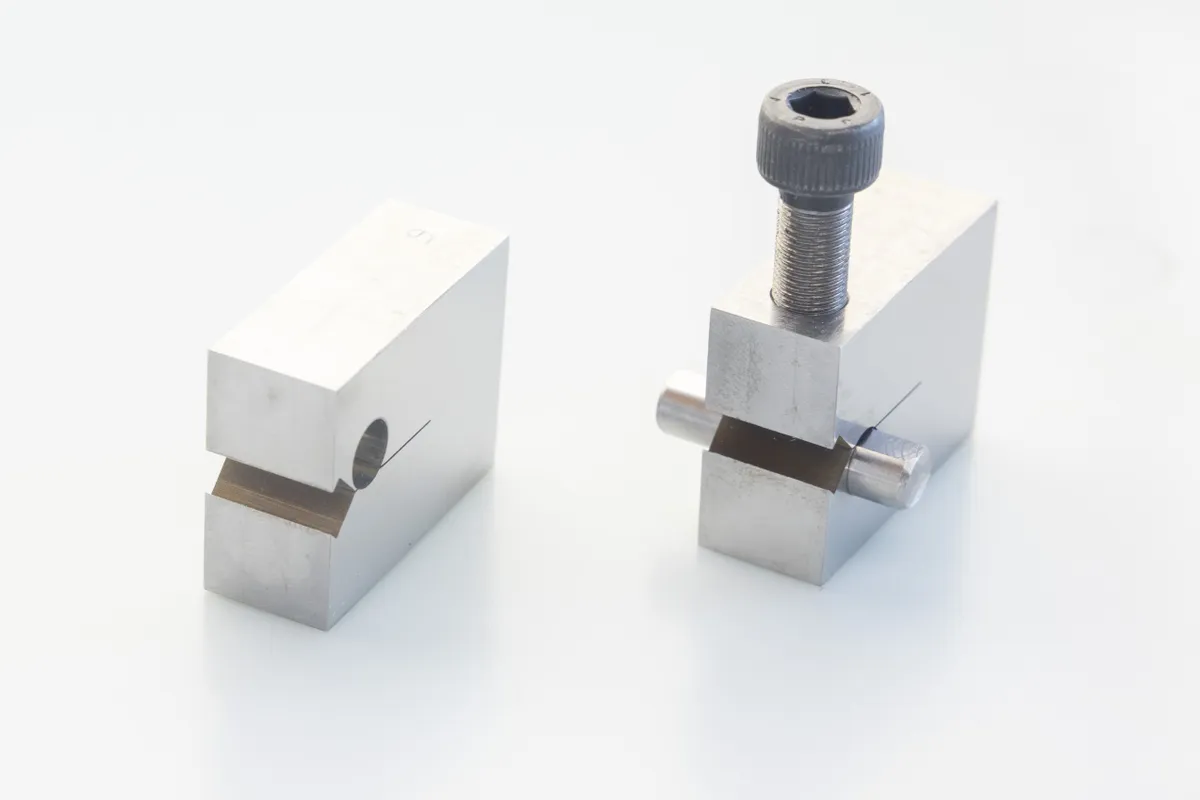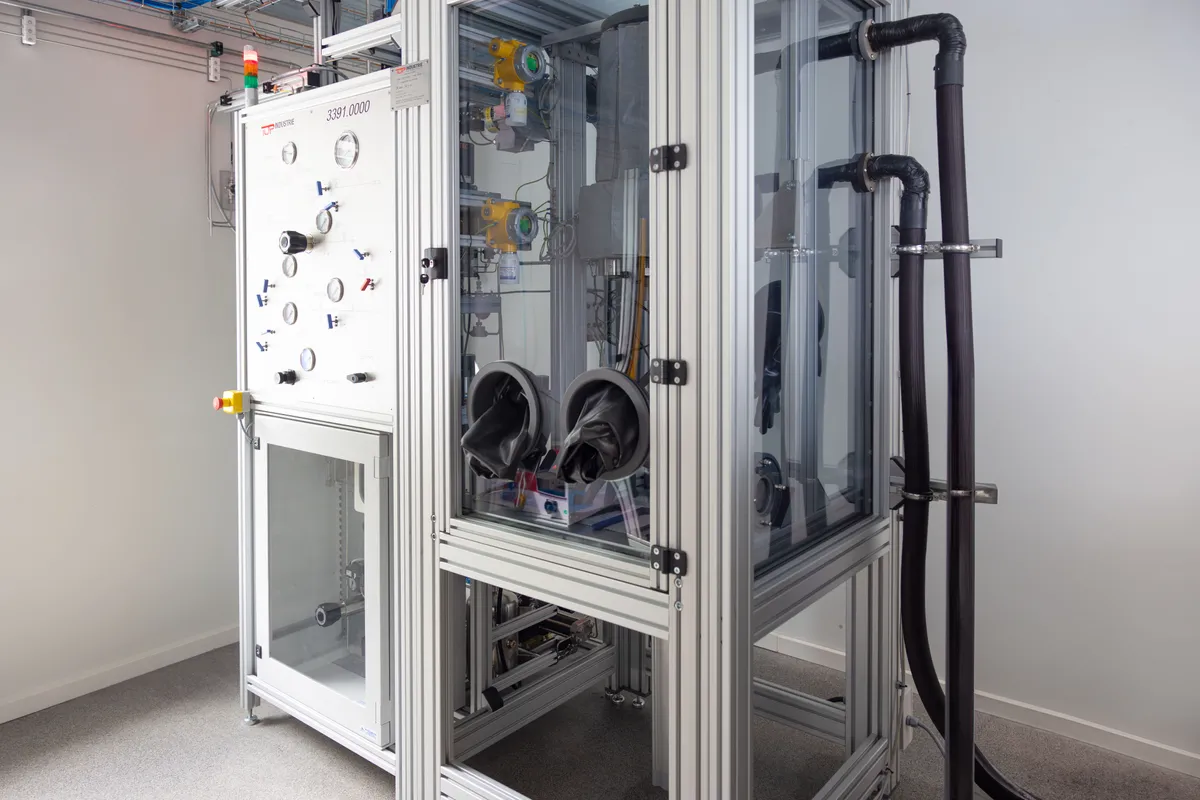
Controlled hydrogen exposure testing based on ASTM F1624 methodology to identify susceptibility and threshold behaviour in metallic materials.
Material science
Hydrogen embrittlement screening of metallic materials
Identify hydrogen embrittlement risks to prevent sudden failures, support safe design and document material performance in hydrogen environments.
Hydrogen embrittlement testing supports project owners, working with critical metallic components in the energy, marine and infrastructure sectors. The need often arises already in the design phase, when materials in bolts, pipelines or pressure-containing components must be assessed for hydrogen exposure or when existing systems are considered for a new medium such as hydrogen instead of natural gas.
Without documented knowledge of how materials behave under these conditions, hidden susceptibility can remain undetected until late in the project or after installation, creating uncertainty in design qualification, material selection and inspection planning.
Screening and analysis of critical components
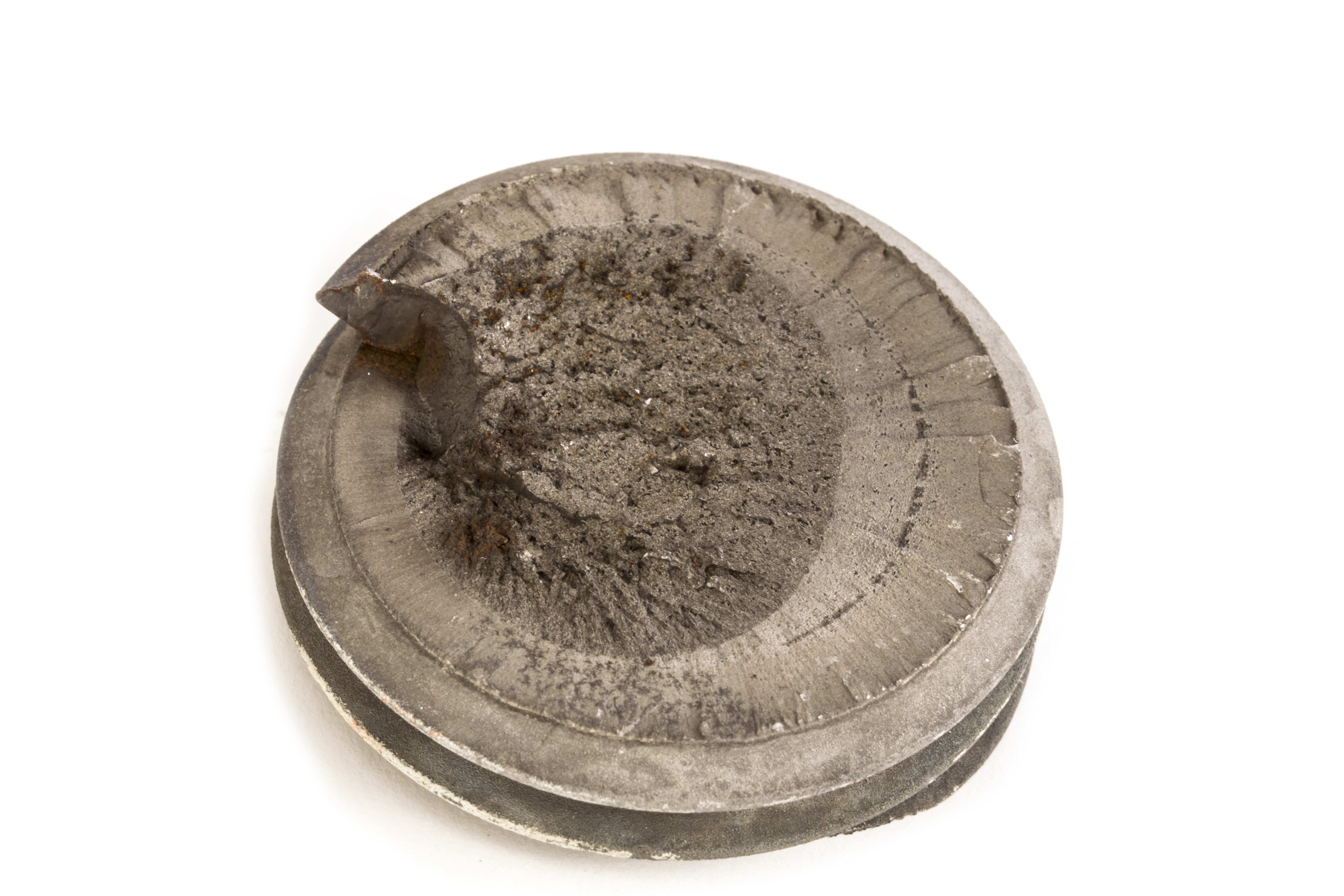
Hydrogen-related damage can result from welding, corrosion, manufacturing processes, surface treatment, or direct hydrogen service, and the consequences may include delayed cracking, unexpected fractures and costly repairs in hard-to-access assets. This is particularly critical for bolts and other fasteners, which are frequently affected by hydrogen embrittlement.
By combining screening, technical assessment and documentation of material performance, we provide a clearer basis for evaluating whether materials and components are suitable for the intended application. As part of our materials technology services, the work can also support investigations into why damage or fracture has occurred.
Challenges
When the hydrogen embrittlement risk is not assessed early, hidden risks lead to failures and uncertain design decisions.
Hidden embrittlement risk leads to sudden failure
Materials can fail without warning despite meeting strength requirements, creating critical risks in load-bearing components, bolts and other fasteners.
Delayed fracture creates unpredictable behaviour
Hydrogen cracks after welding may develop up to 48 hours after welding, while delayed fracture can occur within 72 hours after tensile loading.
Multiple hydrogen sources increase uncertainty
Hydrogen can originate from welding, corrosion- and manufacturing processes, acid cleaning or direct hydrogen exposure, making root causes difficult to identify.
Material qualification gaps block design confidence
Lack of documented material performance in hydrogen environments limits the ability to define safe stress levels, critical flaw sizes and inspection intervals.
Late failure detection drives high repair cost
Failures discovered after commissioning often require downtime of the asset, extensive repairs or replacements, especially on offshore or inaccessible assets.
Book hydrogen embrittlement testing
Discuss your material, component or pipeline challenge with a specialist in hydrogen embrittlement testing. We help clarify which materials, loads and documentation requirements should be assessed before installation or after a failure.