
The service includes full 3D CFD simulation of thermal energy storage during charge and discharge cycles. Flow movement, temperature development, delivered capacity and thermocline behaviour can be mapped across the full tank geometry, and the thermocline can be tracked during full cycles.
Simulation and CFD for energy-, process- and production systems
Assured capacity of thermal energy storage using CFD
Assess and optimise thermal energy storage design with CFD
Thermal energy storage using CFD supports operators and plant owners when surplus heat, district heating energy, or chilled water must be stored for later use.
In CHP plants, thermal storage helps close the time gap between production and use of district heating and electricity. In pharmaceutical and hospital applications, chilled water tanks store cooling water for production and cooling purposes.
When stable stratification matters
The function of a stratified water thermal energy storage tank depends on its ability to meet the designed thermal capacity and preserve high temperatures inside the tank.
If hot and cold water mix during charging and discharging, the thermal layer becomes thicker, thermal losses increase and usable capacity is reduced. CFD-based assessment of tank and diffuser design provides insight before construction, where design changes are still possible.
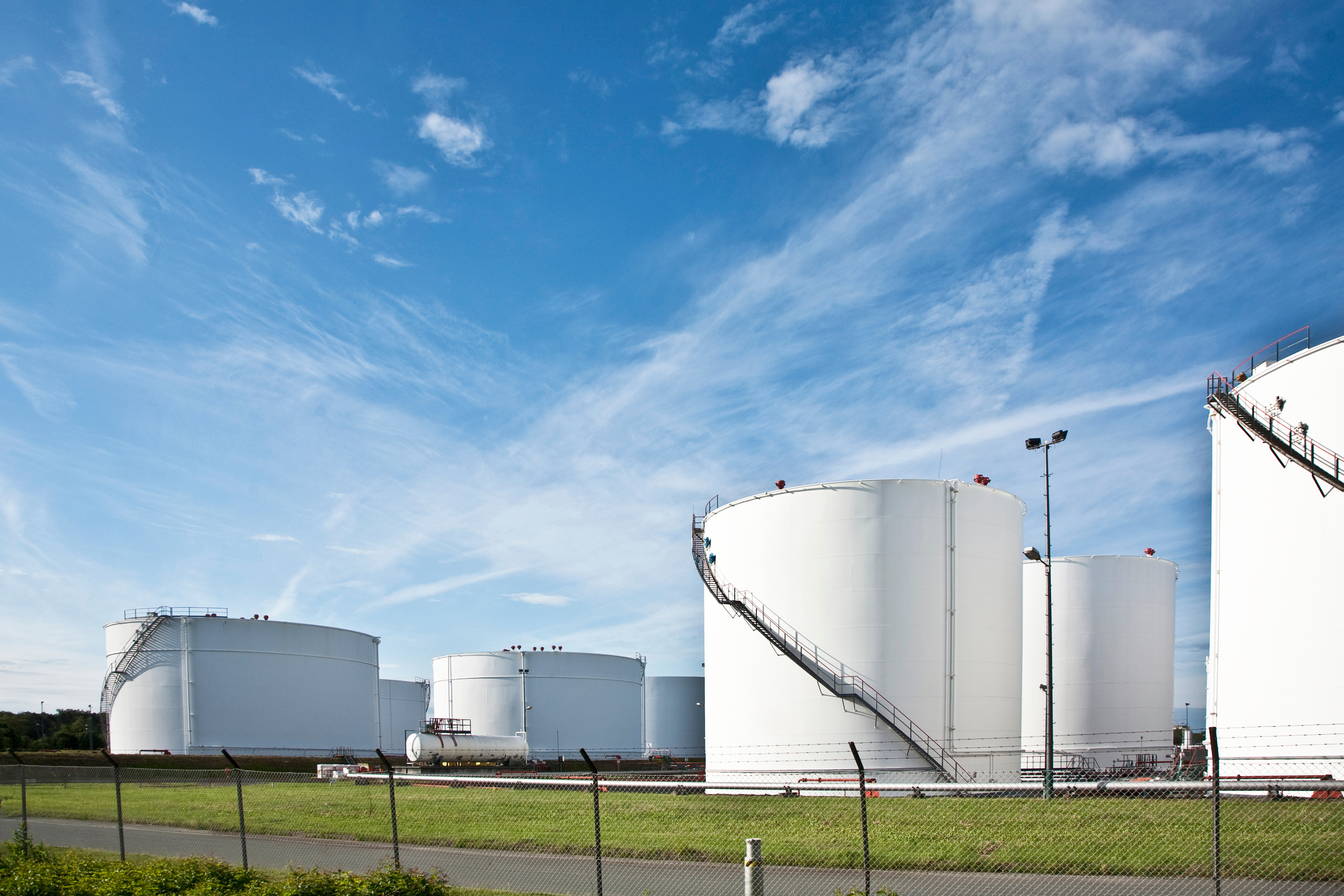
Challenges
When tank and diffuser design are not assessed before construction, mixing and thermal losses can reduce usable capacity.
Thermal mixing reduces usable storage capacity
When hot and cold water mix during charging and discharging, the thermal layer becomes thicker and permanent thermal losses are introduced. This reduces the energy that can later be delivered from the tank.
Unclear flow behaviour limits design verification
Without detailed insight into flow patterns, turbulence and temperature development, design teams cannot assess whether the tank will perform as intended under maximum operating conditions before construction.
Unadapted diffusers can disturb stratification
If diffuser geometry is not adapted to the individual tank, inlet and outlet flow can disturb the thermal layer and increase material use compared with an optimised diffuser design.
Benefits
Get CFD-based assessment input that supports usable capacity, stratification and reduced thermal losses before construction.
Support designed thermal capacity
Simulation results provide a basis for assessing whether the tank can maintain a thin thermal layer and deliver the intended usable capacity during charge and discharge.
Reduce uncertainty before construction
Internal flow and temperature behaviour can be assessed before the tank is built, giving the design team a clearer basis for evaluating tank geometry, diffuser layout and expected thermal performance.
Limit diffuser weight and disturbance
An optimised diffuser design can support stable stratification while reducing diffuser size and weight compared with conventional design methods.
