Challenge
FerroFoss grate bars have proven their durability in operation, but heating plant operators remain hesitant until their performance is independently documented.
Solution
FerroFoss worked with Force Technology to test and analyse four alloys developed for its grate bars.
Result
The documentation from Force Technology strengthens FerroFoss' market position and supports the company's ambition to drive further growth in Denmark and Sweden.
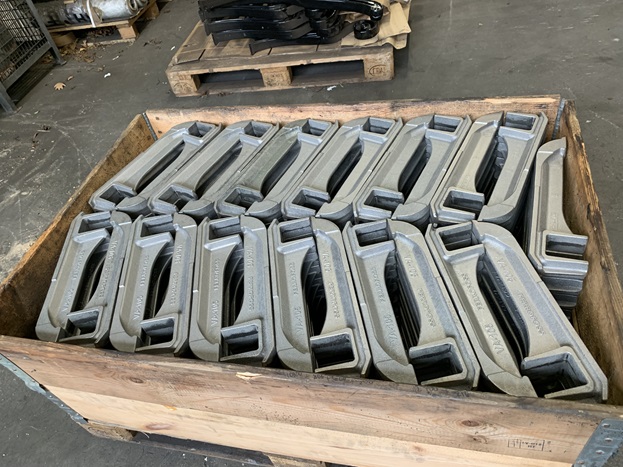
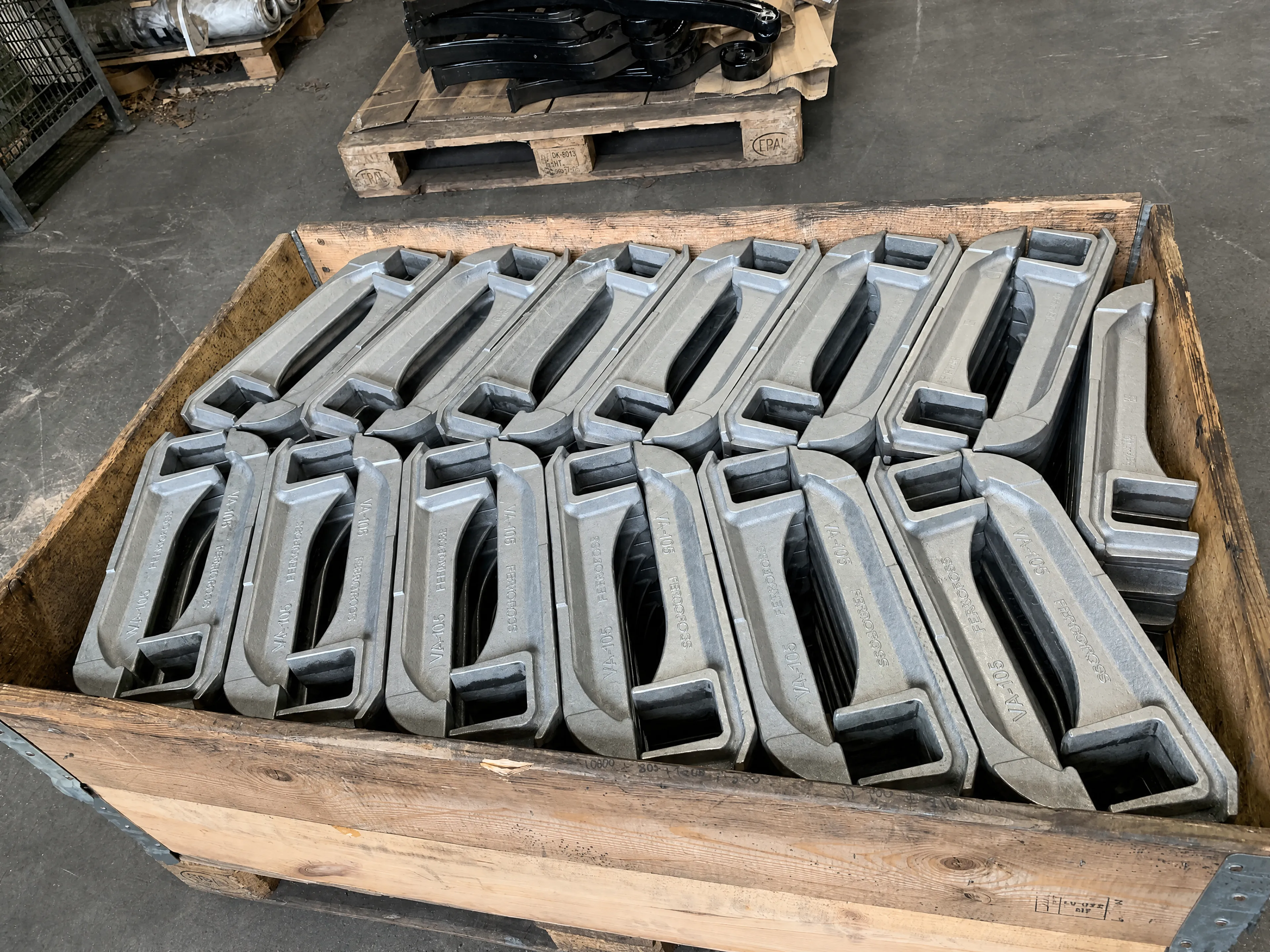
A MADE Demonstration Project documented the durability of the grate bars that iron foundry FerroFoss manufactures and supplies to biomass heating plants.
Grate bars proven in real-world operation
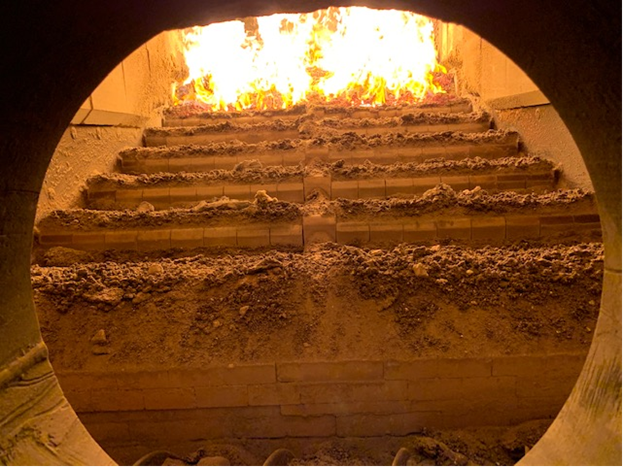
Temperatures exceed 1,000°C as flames roar through the boiler of a district heating plant, where straw or wood chips are converted into energy. Components operating in these extreme conditions must withstand severe mechanical and thermal stress.
Grate bars therefore require high wear resistance as they transport biomass through the combustion chamber. They must also provide excellent corrosion resistance at elevated temperatures. This is typically achieved by using a relatively high chromium content in the alloy.
However, chromium is expensive, its extraction generates significant CO₂ emissions, and its presence is undesirable in agricultural soil, where ash from biomass heating plants is often spread.
Recycling chromium to improve sustainability
FerroFoss has reduced the chromium content in its grate bars while maintaining the combination of wear resistance, high-temperature corrosion resistance, service life and cost efficiency required by biomass heating plants. The company has optimised the alloy to balance performance, sustainability and economics.
In addition, FerroFoss buys back worn grate bars from heating plants. The returned components are remelted and reused in the production of new grate bars, creating a circular material flow that reduces the need for newly extracted chromium.