
The service includes consultancy and design of optical systems based on defined optical and mechanical requirements. Design work can include imaging, projection, detection and structured illumination applications, where optical performance must be translated into a functional system design. We also offer help developing photonics products.
Lighting, optics and photonics
Design of optical systems
Develop optical system design that reduces risk and supports system performance across imaging and non-imaging applications.
Optical system design supports development teams working with photonics, imaging and lighting systems when system performance must be clarified early in the development process. When requirements for image quality, resolution, light distribution or geometry are not translated into a validated design, development can be delayed or lead to suboptimal system performance.
Optical design across system types
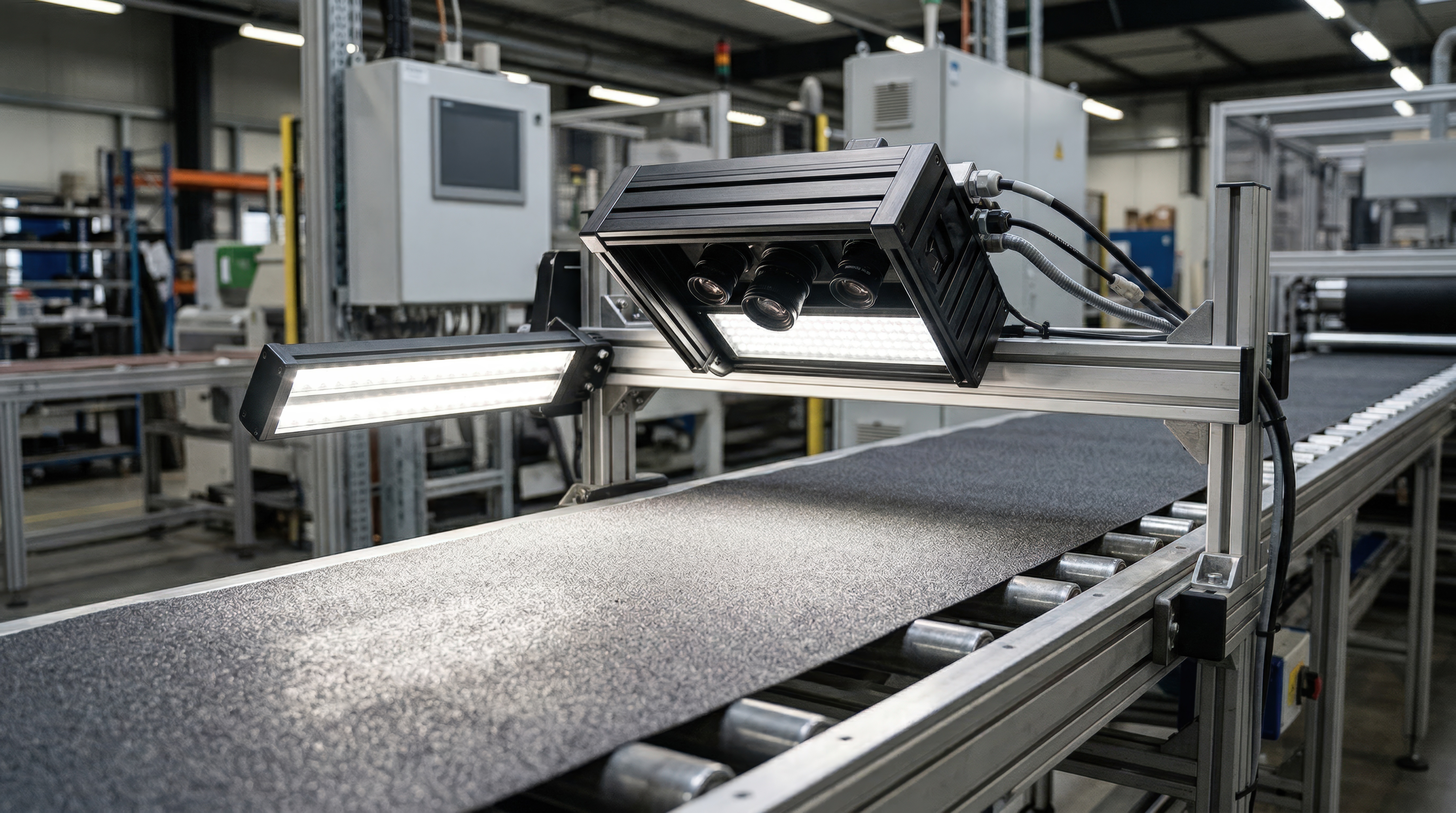
The service addresses both imaging systems such as camera lenses and spectrometers, and non-imaging systems such as lighting, light guides and systems with complex geometries. It's part of a suite of lightning, optics and photonics services.
Challenges
When development teams define optical requirements without validated design, uncertainty delays decisions and affects system performance.
Unclear translation of requirements delays development
When requirements for image quality, resolution or light distribution are not translated into a working optical design, development teams lack a reliable basis for design decisions, leading to iteration loops and delays.
Limitations in modelling complex optical systems
Non-imaging systems such as lighting, biological systems or systems with complex geometries cannot be handled with conventional imaging methods, making it difficult to predict system behaviour and performance.
Design decisions increase risk in later phases
Without early validation through simulation and prototyping, design choices may lead to performance issues that first appear during testing or manufacturing, increasing rework and cost.
Integration of materials and manufacturing constraints
The use of advanced manufacturing methods, aspherical surfaces and new materials introduces complexity that can affect feasibility if not considered during the design phase.
Benefits
Establish a validated optical design basis that supports development decisions and system performance.
Reduce uncertainty in design decisions
A structured optical design and review process provides a clear basis for evaluating system performance, allowing development teams to proceed with defined parameters rather than assumptions.
Support performance requirements in system design
Optimisation of optical systems ensures alignment with requirements for image quality, resolution or light distribution, supporting the intended system function.
Enable progression from concept to prototype
Integration of design, simulation and prototype building supports a controlled transition from concept to physical validation, reducing gaps between design and testing.
Align design with manufacturing possibilities
Consideration of materials, geometries and manufacturing methods during design ensures that solutions are compatible with production conditions.
