
The deliverable includes a CFD model set up for the specific processing system and the evaluated question. The model is adapted to the agreed level of detail and output, so the customer receives simulation results that fit the intended use in design review, testing strategy or system evaluation.
Simulation and CFD for energy-, process- and production systems
Design and validation of processing systems using CFD
Improve food and pharma processing systems with CFD simulations that support design, validation and optimisation of both new and existing systems.
Food and pharmaceutical companies may use CFD to gain better insight into how a processing system will perform during design, validation or optimisation work. The service is relevant both in early development and for existing systems, where technical, production and quality teams need to assess quality, hygiene, safety and efficiency under defined operating conditions. In regulated industries, insight into system behaviour is also important for compliance and validation work.
Clarify system behaviour before changes
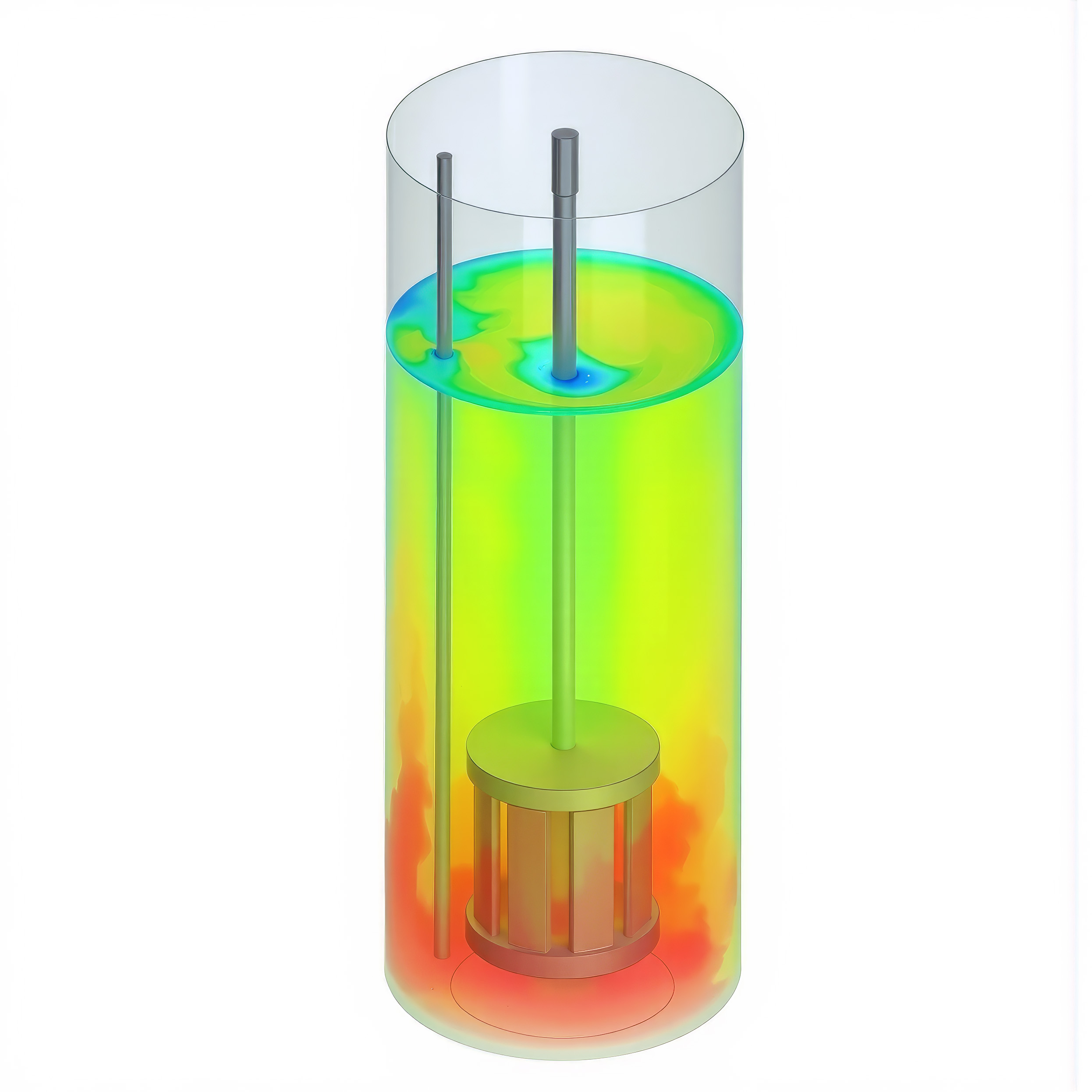
CFD simulations create a virtual prototype that shows how design choices and operating conditions affect the system. This makes it easier to identify problem areas early, compare alternatives and evaluate improvements before physical testing or modification work begins. The service is part of our expertise area Simulation and CFD for energy-, process- and production systems.
Challenges
When food and pharma teams lack insight into system behaviour early, design work and validation can be delayed.
Limited system insight complicates compliance
In regulated food and pharmaceutical production, limited insight into flow, temperature or cleaning conditions can make it difficult to evaluate whether a system performs as intended. This can delay compliance-related documentation, validation activities and decisions related to design or operations.
Undetected problem areas delay design changes
When flow, heat transfer or cleaning conditions are not understood early, critical issues may only appear after build or test. Changes then become slower, more costly and harder to implement in a controlled way.
Physical prototypes limit how much can be evaluated
If each design question depends on prototype manufacture and testing, teams can only review a limited number of setups. This reduces development flexibility and extends the time required to compare alternatives.
Demanding operating scenarios are hard to assess
Some scenarios are too risky or too expensive to test in practice. Without simulation, teams may have limited insight into how the system performs under the conditions that matter for design evaluation and validation planning.
Contact
Discuss your processing system with a CFD specialist
Share your system, question and required output. The dialogue can be used to define a relevant CFD scope and determine what level of model detail and evaluation is useful for your setup.
